A wedding date can feel like the first decision, but for a design-led celebration, the venue is often the decision that gives every other choice its shape. When couples ask how far ahead to book a wedding venue, the most useful answer is this: begin your search 14 to 18 months before your preferred date, and be prepared to reserve sooner for a sought-after Saturday or a prime North Texas season.
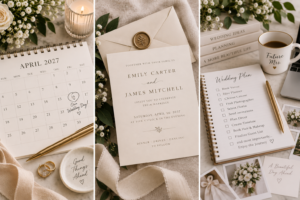
That timing is not about creating pressure for its own sake. It is about preserving choice. The setting influences your ceremony hour, guest count, floral direction, catering flow, photography plan, and the overall feeling guests carry home. A French-inspired estate, for example, brings its own sense of proportion, romance, and occasion. Once it is secured, planning becomes more focused.
How Far Ahead to Book a Wedding Venue in North Texas
For most couples planning a refined wedding in the Fort Worth and Dallas-Fort Worth area, 12 to 18 months is a thoughtful booking window. It offers access to more dates, more time to assemble an exceptional vendor team, and room to make decisions with intention rather than urgency.
If your heart is set on a Saturday between March and May or October and November, 18 to 24 months ahead is often the wiser approach. These months are especially desirable in North Texas, where milder temperatures and softer seasonal light suit outdoor portraits, garden ceremonies, and long cocktail hours. Premium venues can reserve their most requested weekends well in advance.
A 9 to 12-month timeline can still be entirely workable, particularly if you are open to a Friday, Sunday, or a date outside the peak spring and fall seasons. Winter celebrations can feel especially luminous in an architectural venue, while summer may offer more availability for couples willing to plan around the Texas heat with an evening ceremony and a gracious indoor reception.
With fewer than six months to plan, the right venue may still be available, but flexibility becomes essential. You may need to reconsider the day of the week, season, guest count, or preferred vendor list. This is not necessarily a compromise in beauty. It simply calls for clear priorities from the beginning.
Why the Venue Should Come Before Most Other Decisions
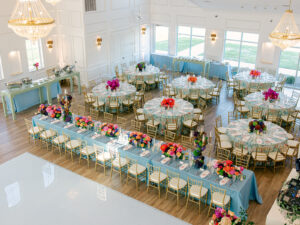
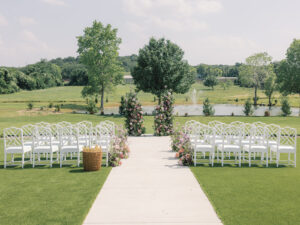
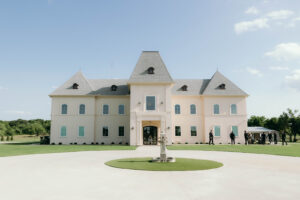
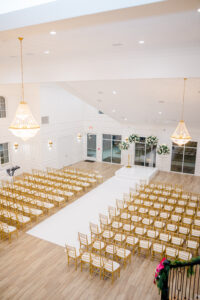
A beautiful venue does more than provide a location. It sets the visual language for the day. Couples drawn to timeless grandeur often choose their fashion, stationery, florals, linens, and entertainment in conversation with the architecture and atmosphere around them.
Booking your venue first also allows you to approach other vendors with a confirmed date and a complete picture of the event. Your planner can recommend designs that belong in the space. Your photographer can consider light, portrait locations, and the pace of the day. Your floral designer can work with the venue’s scale rather than trying to transform an unrelated room into something it was never meant to be.
This matters for the budget as well. A setting with distinctive interiors, elegant grounds, and a ceremony-to-reception flow that feels naturally considered may reduce the need for excess decor. The goal is not to add less care. It is to invest where guests will feel the difference: exceptional flowers, beautiful table settings, a memorable meal, or a band that brings the evening to life.
The Booking Timeline That Protects Your Options
The earliest stage of planning should be about defining your non-negotiables. Before touring, decide which matters most: a certain season, a Saturday date, a particular guest count, proximity to Fort Worth, or an aesthetic that feels unmistakably yours. Most couples have one or two true priorities, even when everything feels important at once.
At 18 to 24 months out, begin venue research and schedule tours as soon as your preferred dates are taking shape. This is the ideal window for couples hoping to host a peak-season Saturday, accommodate a larger guest list, or build their weekend around highly requested creative partners.
At 12 to 18 months, reserve the venue and begin conversations with your planner, photographer, and caterer if they are not included with your venue selection. The strongest vendors often book on a similar schedule, especially for fall and spring weekends. A confirmed venue date lets you move forward with confidence rather than sending tentative inquiries for several possible days.
At 9 to 12 months, you can still create an extraordinary wedding, but it helps to act decisively after each tour. Ask about available dates, rental hours, capacity, rain plans, vendor policies, and what is included. A venue that feels right should also support the way you want the day to unfold.
Dates That Usually Require Earlier Planning
Not every wedding date carries the same level of demand. A Saturday in April is a different marketplace than a Friday in January. If flexibility is part of your vision, it can open the door to a more relaxed planning experience and, occasionally, a date that feels even more personal.
Consider booking earlier if you are planning around one of these circumstances:
- A Saturday wedding during spring or fall in North Texas
- A holiday weekend or a date with personal significance
- A guest list that calls for a larger capacity
- A ceremony that relies on an outdoor setting or ideal seasonal weather
- A wedding built around a specific photographer, planner, or entertainment team
There are also practical considerations beyond the calendar. Couples planning a destination-inspired celebration close to home may be searching for a venue with an established identity rather than a blank slate. Those properties are not interchangeable. If the architecture, grounds, and interiors are central to your vision, waiting too long can mean losing the setting that made the entire concept feel possible.
What to Ask Before You Reserve
A venue tour should leave you with more than beautiful photographs. It should answer whether the property can hold your guest experience with ease. Notice how guests would arrive, where they would gather before the ceremony, and whether the transition into cocktail hour and dinner feels natural. Think beyond the ceremony backdrop to the full arc of the celebration.
Ask about the contracted rental period, setup and breakdown access, parking, dressing suites, catering requirements, and weather contingencies. Review capacity with your realistic guest count, not only the number you hope to invite. If you envision a formal seated dinner, generous dance floor, and a lively evening reception, the room should feel elegant at that scale.
It is also wise to understand what the venue provides and where you will want to add your own signature. Some couples value a setting that already feels complete, while others want more freedom to layer in elaborate installations. Neither approach is better, but the venue and the design ambition should be aligned from the start.
If Your Ideal Date Is Already Taken
A full calendar does not mean the end of the vision. Ask whether there are nearby Fridays, Sundays, or alternative weekends that offer the same season and atmosphere. A Friday evening wedding can feel wonderfully intimate and celebratory, while a Sunday gathering lends itself to a lingering garden luncheon or candlelit dinner.
You can also look at adjacent seasons. Early December has a formal, festive quality. Late February can be unexpectedly romantic. A summer wedding, designed with a later ceremony time and an emphasis on cool interiors, sparkling cocktails, and abundant florals, can feel sumptuous rather than restrictive.
The date should serve the celebration, not overshadow it. If you find a venue that immediately feels like the setting for your story, an alternate date may be a small adjustment for a far more lasting result.
At CHÂTEAU JOLI, the most memorable weddings begin with a sense of place. Start your venue search early enough to choose the date, atmosphere, and experience that feel entirely your own – then let the rest of the celebration unfold with grace.