• Skip to main content

CHÂTEAU JOLI

French-Inspired Wedding Venue located south of Fort Worth, Texas

  • ABOUT
  • VENUE DETAILS
  • THE JOURNAL
  • FAQ’s
  • INQUIRE

admin

How Far Ahead Should You Book a Wedding Venue?

September 5, 2026 by admin

A wedding date can feel like the first decision, but for a design-led celebration, the venue is often the decision that gives every other choice its shape. When couples ask how far ahead to book a wedding venue, the most useful answer is this: begin your search 14 to 18 months before your preferred date, and be prepared to reserve sooner for a sought-after Saturday or a prime North Texas season.

How Far Ahead Should You Book a Wedding Venue?

That timing is not about creating pressure for its own sake. It is about preserving choice. The setting influences your ceremony hour, guest count, floral direction, catering flow, photography plan, and the overall feeling guests carry home. A French-inspired estate, for example, brings its own sense of proportion, romance, and occasion. Once it is secured, planning becomes more focused.

How Far Ahead to Book a Wedding Venue in North Texas

For most couples planning a refined wedding in the Fort Worth and Dallas-Fort Worth area, 12 to 18 months is a thoughtful booking window. It offers access to more dates, more time to assemble an exceptional vendor team, and room to make decisions with intention rather than urgency.

If your heart is set on a Saturday between March and May or October and November, 18 to 24 months ahead is often the wiser approach. These months are especially desirable in North Texas, where milder temperatures and softer seasonal light suit outdoor portraits, garden ceremonies, and long cocktail hours. Premium venues can reserve their most requested weekends well in advance.

A 9 to 12-month timeline can still be entirely workable, particularly if you are open to a Friday, Sunday, or a date outside the peak spring and fall seasons. Winter celebrations can feel especially luminous in an architectural venue, while summer may offer more availability for couples willing to plan around the Texas heat with an evening ceremony and a gracious indoor reception.

With fewer than six months to plan, the right venue may still be available, but flexibility becomes essential. You may need to reconsider the day of the week, season, guest count, or preferred vendor list. This is not necessarily a compromise in beauty. It simply calls for clear priorities from the beginning.

Why the Venue Should Come Before Most Other Decisions

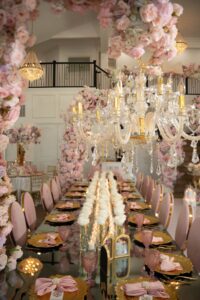
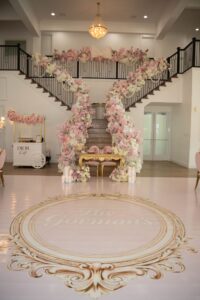
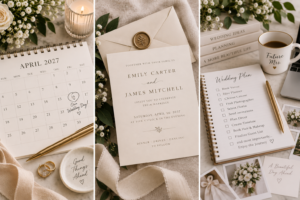
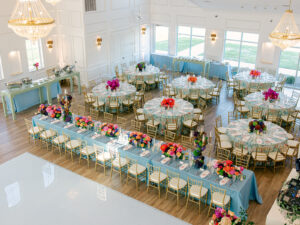
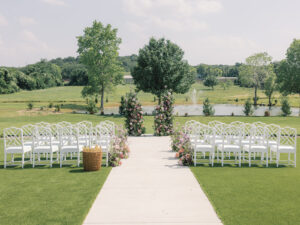
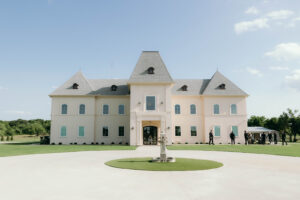
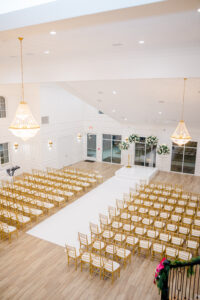
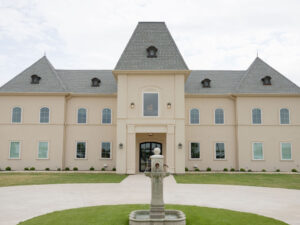
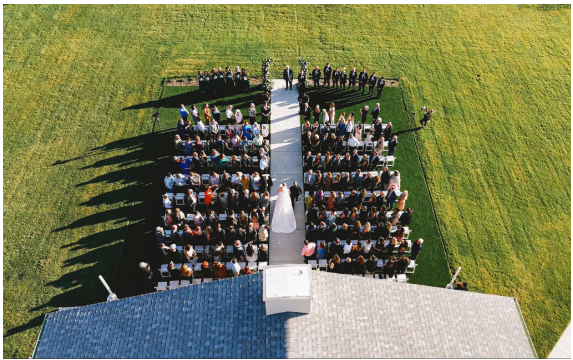
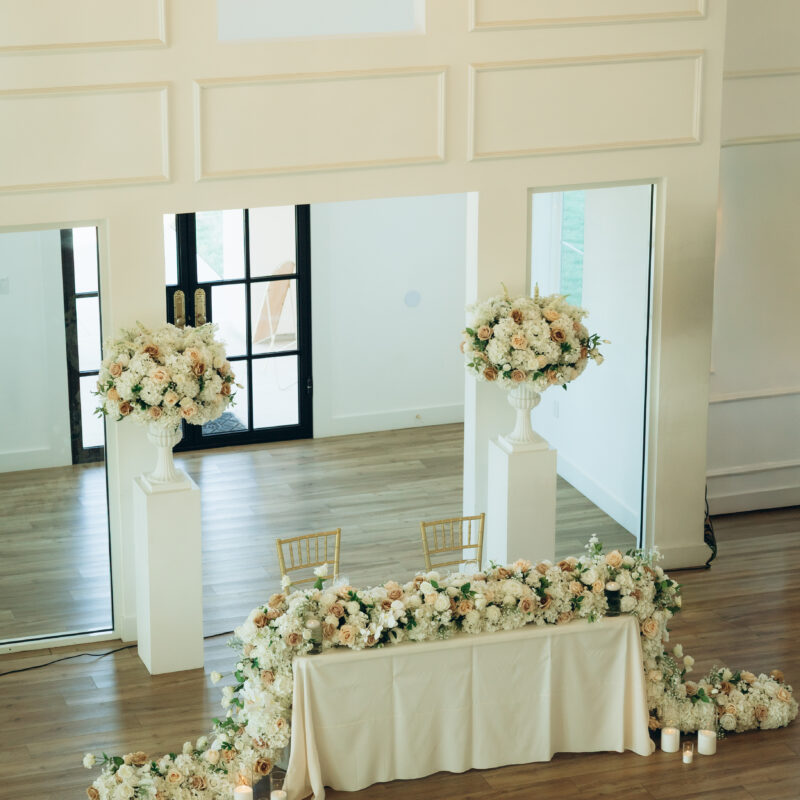
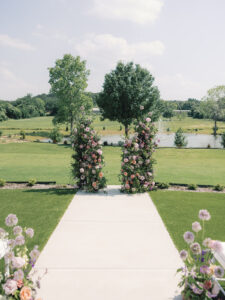
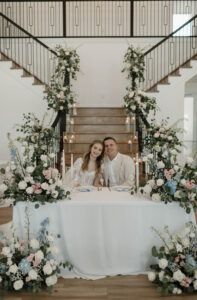
How Far Ahead Should You Book a Wedding Venue?How Far Ahead Should You Book a Wedding Venue?How Far Ahead Should You Book a Wedding Venue?How Far Ahead Should You Book a Wedding Venue?

A beautiful venue does more than provide a location. It sets the visual language for the day. Couples drawn to timeless grandeur often choose their fashion, stationery, florals, linens, and entertainment in conversation with the architecture and atmosphere around them.

Booking your venue first also allows you to approach other vendors with a confirmed date and a complete picture of the event. Your planner can recommend designs that belong in the space. Your photographer can consider light, portrait locations, and the pace of the day. Your floral designer can work with the venue’s scale rather than trying to transform an unrelated room into something it was never meant to be.

This matters for the budget as well. A setting with distinctive interiors, elegant grounds, and a ceremony-to-reception flow that feels naturally considered may reduce the need for excess decor. The goal is not to add less care. It is to invest where guests will feel the difference: exceptional flowers, beautiful table settings, a memorable meal, or a band that brings the evening to life.

The Booking Timeline That Protects Your Options

The earliest stage of planning should be about defining your non-negotiables. Before touring, decide which matters most: a certain season, a Saturday date, a particular guest count, proximity to Fort Worth, or an aesthetic that feels unmistakably yours. Most couples have one or two true priorities, even when everything feels important at once.

At 18 to 24 months out, begin venue research and schedule tours as soon as your preferred dates are taking shape. This is the ideal window for couples hoping to host a peak-season Saturday, accommodate a larger guest list, or build their weekend around highly requested creative partners.

At 12 to 18 months, reserve the venue and begin conversations with your planner, photographer, and caterer if they are not included with your venue selection. The strongest vendors often book on a similar schedule, especially for fall and spring weekends. A confirmed venue date lets you move forward with confidence rather than sending tentative inquiries for several possible days.

At 9 to 12 months, you can still create an extraordinary wedding, but it helps to act decisively after each tour. Ask about available dates, rental hours, capacity, rain plans, vendor policies, and what is included. A venue that feels right should also support the way you want the day to unfold.

Dates That Usually Require Earlier Planning

Not every wedding date carries the same level of demand. A Saturday in April is a different marketplace than a Friday in January. If flexibility is part of your vision, it can open the door to a more relaxed planning experience and, occasionally, a date that feels even more personal.

Consider booking earlier if you are planning around one of these circumstances:

  • A Saturday wedding during spring or fall in North Texas
  • A holiday weekend or a date with personal significance
  • A guest list that calls for a larger capacity
  • A ceremony that relies on an outdoor setting or ideal seasonal weather
  • A wedding built around a specific photographer, planner, or entertainment team

There are also practical considerations beyond the calendar. Couples planning a destination-inspired celebration close to home may be searching for a venue with an established identity rather than a blank slate. Those properties are not interchangeable. If the architecture, grounds, and interiors are central to your vision, waiting too long can mean losing the setting that made the entire concept feel possible.

What to Ask Before You Reserve

A venue tour should leave you with more than beautiful photographs. It should answer whether the property can hold your guest experience with ease. Notice how guests would arrive, where they would gather before the ceremony, and whether the transition into cocktail hour and dinner feels natural. Think beyond the ceremony backdrop to the full arc of the celebration.

Ask about the contracted rental period, setup and breakdown access, parking, dressing suites, catering requirements, and weather contingencies. Review capacity with your realistic guest count, not only the number you hope to invite. If you envision a formal seated dinner, generous dance floor, and a lively evening reception, the room should feel elegant at that scale.

It is also wise to understand what the venue provides and where you will want to add your own signature. Some couples value a setting that already feels complete, while others want more freedom to layer in elaborate installations. Neither approach is better, but the venue and the design ambition should be aligned from the start.

If Your Ideal Date Is Already Taken

A full calendar does not mean the end of the vision. Ask whether there are nearby Fridays, Sundays, or alternative weekends that offer the same season and atmosphere. A Friday evening wedding can feel wonderfully intimate and celebratory, while a Sunday gathering lends itself to a lingering garden luncheon or candlelit dinner.

You can also look at adjacent seasons. Early December has a formal, festive quality. Late February can be unexpectedly romantic. A summer wedding, designed with a later ceremony time and an emphasis on cool interiors, sparkling cocktails, and abundant florals, can feel sumptuous rather than restrictive.

The date should serve the celebration, not overshadow it. If you find a venue that immediately feels like the setting for your story, an alternate date may be a small adjustment for a far more lasting result.

At CHÂTEAU JOLI, the most memorable weddings begin with a sense of place. Start your venue search early enough to choose the date, atmosphere, and experience that feel entirely your own – then let the rest of the celebration unfold with grace.

Filed Under: THE VENUE, Tips and Tricks Tagged With: chateau joli wedding, Chateau Joli Wedding Venue, chateau joli weddings, dallas wedding venue, dfw wedding venue, Fort Worth wedding venue, fort worth weddings, texas wedding venues, Wedding planning tips

Private Venue Versus Hotel Wedding: Which Fits?

September 4, 2026 by admin

A private venue versus hotel wedding is not simply a choice between two floor plans. It is a decision about atmosphere, privacy, creative freedom, and the way your guests will remember the evening. For couples planning a refined celebration in Fort Worth or across North Texas, the right setting should feel less like a backdrop and more like the beginning of the story.

A hotel wedding brings established hospitality and convenience. A private venue offers a more singular sense of place. Neither is inherently better, but each creates a distinctly different wedding day.

Private Venue Versus Hotel Wedding: The Essential Difference

Hotels are designed to host many kinds of gatherings, often within the same weekend. Their event spaces are polished, efficient, and supported by experienced banquet teams. For couples with many out-of-town guests, the ease of celebrating and sleeping under one roof can be especially appealing.

A private wedding venue is designed around the feeling of arrival. The property itself becomes part of the celebration: the architecture, approach, ceremony setting, gardens, salons, and portrait locations all contribute to a cohesive visual experience. Rather than entering a ballroom that could serve any event, guests enter a world created for yours.

That distinction matters most when your priorities extend beyond convenience. If you imagine a wedding with an editorial point of view, a strong design narrative, and moments that unfold with a sense of occasion, a private venue often offers more room to make the day feel unmistakably personal.

The Case for a Hotel Wedding

There is a reason hotel weddings remain a trusted choice. Hotels are built around hospitality. Their teams routinely manage guest arrivals, room blocks, valet, catering, service timing, and late-night transitions. That infrastructure can make planning feel contained, particularly for a large guest count or a weekend centered on travel.

For some couples, an in-house culinary team is another meaningful advantage. A hotel can provide one contract, established service standards, and a clear package structure for food and beverage. When the guest list includes older relatives, international travelers, or friends who prefer minimal transportation, on-site accommodations can feel generous and practical.

The trade-off is exclusivity. Depending on the property, another wedding, conference, or social event may be taking place nearby. Guests might share elevators, parking areas, entrances, or public spaces with people outside your celebration. Even in a beautiful hotel, the wedding experience can feel more contained within its assigned rooms than immersed in the property as a whole.

Design flexibility may also be more limited. Ballroom carpet, ceiling height, fixed lighting, room divisions, and required vendor policies can influence what is possible. A talented planner can transform nearly any room, but a transformation requires time, budget, and a clear eye for what should be softened or concealed.

The Appeal of a Private Venue

We do have availability on the 5th at 12 pm or 1 pm. Do any of these times work for you?

A private venue gives the celebration its own address for the day. There is a quiet luxury in knowing that your guests have arrived somewhere reserved for your ceremony, your dinner, and your final dance. The setting can create anticipation before a single floral arrangement is placed.

For design-forward couples, this is often the deciding factor. A venue with architectural character reduces the need to manufacture one. Thoughtful stonework, romantic interiors, graceful exterior spaces, and considered proportions already lend dimension to photographs and guest experience. Your florals, fashion, stationery, and tablescape can complement the setting rather than compete with it.

At a French-inspired property such as CHÂTEAU JOLI, the venue can provide a sense of timeless grandeur that would be difficult to recreate in a conventional ballroom. The result is not necessarily more décor. It is often more intention in every detail you do choose.

Privacy changes the emotional rhythm of the day as well. You may move from getting ready to portraits, ceremony, cocktail hour, and reception without constantly crossing public hotel traffic. That continuity is especially valuable for couples who want a relaxed, unhurried experience and a gallery of images that feels cohesive from beginning to end.

Private venues do ask for more planning in certain areas. Transportation, nearby accommodations, catering, bar service, rentals, and weather contingencies may require separate decisions. Yet for couples working with an experienced planner, that flexibility can be a benefit rather than a burden. It allows every partner to be selected for fit, style, and service.

Consider the Guest Experience Beyond the Ceremony

A wedding is remembered in transitions. How guests arrive. Where they gather after the ceremony. Whether cocktail hour feels like a pause or an occasion in itself. Whether dinner feels connected to the setting or simply placed inside it.

Hotels excel at practical comfort. Guests can step out of a guest room, take an elevator, and arrive at the celebration. This is especially useful for a multi-day wedding weekend, when welcome drinks, brunch, and room access are central to the plan.

Private venues create a more immersive arrival. Guests may travel a short distance from their hotel, but that journey can heighten the sense of entering a private celebration. The experience feels more separate from ordinary life, which is precisely what many couples want from a wedding day.

The best choice depends on your guests and your priorities. If most attendees are traveling from out of state and convenience is paramount, a hotel may be the natural answer. If your guest list is largely local or comfortable with arranged transportation, a private venue may offer a more memorable setting without compromising care.

Budget: Look Beyond the Starting Number

Comparing venue costs can be misleading when one option includes catering, rentals, staffing, and service charges while another provides the property and invites you to build the event around it. The meaningful comparison is the total investment required to create the wedding you want.

A hotel package may appear straightforward, but taxes, administrative fees, service charges, food and beverage minimums, valet, décor upgrades, and late-night extensions can change the final figure. Private venues can involve more line items, including rentals and outside catering, but they may also allow you to direct investment toward the elements that matter most to you.

Consider the cost of visual transformation, too. If a ballroom requires extensive draping, specialty lighting, flooring, or structural floral installations to achieve your vision, a venue with inherent character may offer stronger value. A beautiful setting does not eliminate the need for design, but it gives your design a more compelling foundation.

Ask each venue for a realistic picture of what a wedding similar to yours typically requires. Be candid about your guest count, desired service level, ceremony plan, and aesthetic. Clarity early on is more valuable than a low initial number.

Questions That Bring the Decision Into Focus

Before scheduling another tour, picture the full weekend rather than the ceremony alone. These questions tend to reveal which setting aligns with your priorities:

  • Do you want the venue to be a defining part of your wedding design and photographs?
  • Is complete privacy more valuable to you than having guest rooms on-site?
  • Would you prefer an all-in-one hospitality structure or the freedom to curate your own vendor team?
  • Are you willing to organize transportation or hotel blocks in exchange for a more distinctive setting?

There is no wrong answer. The most successful weddings are not those that follow a category, but those that make the couple’s priorities visible. A hotel can feel glamorous, welcoming, and effortless. A private venue can feel intimate, transportive, and entirely yours.

Choose the Setting That Supports Your Vision

If your celebration is centered on guest-room convenience, established banquet service, and a simplified planning structure, a hotel may serve you beautifully. If you are drawn to architecture, privacy, a curated vendor team, and a wedding that feels removed from the everyday, a private venue may be the more natural fit.

When you tour, give yourself a moment before discussing packages or logistics. Stand where your ceremony would take place. Imagine your guests arriving in evening light, the first notes of music beginning, and the room or grounds holding the people you love most. The right venue is the one that makes that vision feel less like a plan and more like a place you cannot wait to enter.

Filed Under: THE VENUE, Tips and Tricks Tagged With: chateau joli wedding, Chateau Joli Wedding Venue, chateau joli weddings, dallas wedding venue, dfw wedding venue, Editorial Shoot, Fort Worth wedding venue, fort worth weddings, texas wedding venues, Wedding planning tips

Venue Capacity: Plan a Beautiful Guest Count

August 29, 2026 by admin

Venue Capacity: Plan a Beautiful Guest Count

A venue capacity number can look wonderfully simple on a venue brochure. Yet the difference between a room that holds 200 guests and a celebration that feels gracious at 200 guests is where the real planning begins. For a wedding defined by timeless grandeur, capacity is not merely a maximum. It is the framework for how every guest experiences the day.

The right guest count allows room for an unhurried arrival, a beautiful ceremony processional, a well-proportioned dinner, and a dance floor that feels alive without overtaking the room. It gives your florist, planner, caterer, and photographer the space to create with intention. Most of all, it protects the feeling you want guests to carry with them long after the final toast.

What Venue Capacity Really Means

Venue capacity is the largest number of people a space can safely accommodate under a particular setup. That number is often determined by local occupancy guidelines, fire code, exits, and the physical layout of the property. It is an essential figure, but it should be the beginning of the conversation rather than the final answer.

A ceremony-only arrangement can accommodate guests differently than a seated dinner. A reception with a generous dance floor, live band, sweetheart table, statement bar, lounge seating, and a full service team requires more room than a straightforward cocktail-style gathering. The guest count that works for one vision may feel crowded for another.

When comparing venues, ask for capacities by event format. Request the seated dinner capacity, ceremony capacity, cocktail reception capacity, and a sample floor plan for your anticipated number of guests. This gives you a clearer picture than a single headline number ever can.

A thoughtful venue team will also discuss how the rooms transition throughout the day. If a ceremony and reception use the same area, there may be a reset period to consider. If your event includes separate spaces, think about how guests will move between them, especially during cocktail hour. Ease of movement is a quiet but powerful part of a polished guest experience.

Choosing a Guest Count That Feels Intentional

Your guest list should not be built around a maximum capacity simply because that number is available. Instead, begin with the people you genuinely want surrounding you. Then consider the celebration you hope to host.

An intimate wedding of 75 can feel expansive in a setting with layered architecture, candlelight, and a carefully designed tablescape. A reception of 200 can still feel personal when the floor plan creates distinct moments for dining, conversation, and dancing. Neither is inherently more luxurious. The distinction lies in proportion.

For many couples, the most useful question is not, “How many guests can the venue hold?” It is, “How do we want the evening to feel?” A formal multicourse dinner calls for room between tables and attentive service lanes. A high-energy dance party benefits from a dance floor that is substantial enough to invite participation. A gathering centered on family conversation may call for lounge groupings and a quieter cocktail setting.

It also helps to separate your preliminary guest list into three groups: essential guests, hoped-for guests, and those you would invite if space allowed. This keeps early planning practical without making the invitation process feel impersonal. As RSVPs arrive, you can make decisions from a place of clarity rather than last-minute pressure.

Why a Little Breathing Room Matters

A full room can be festive. An overcrowded room can distract from everything you have so carefully chosen.

At dinner, guests need enough space to sit comfortably, move to and from their tables, and be served without interruption. Your catering team needs clear paths to deliver plates and refresh beverages. Your photographer needs sightlines for toasts, first dances, and the small exchanges happening between loved ones. When these practical needs are honored, the event appears effortless.

Breathing room also allows your design to be seen. A château-inspired celebration is often built on visual composition: sculptural florals, candlelit tables, tailored linens, architectural ceremony moments, and a sense of arrival. If tables are pressed too closely together, even the most beautiful details can lose their impact.

This does not mean a venue should feel sparse. It means each element should have a purpose and a place. A skilled planner can use an intentional floor plan to create warmth at a lower guest count, perhaps with long banquet tables, a centralized dance floor, or lounge vignettes that make the room feel inviting. At a larger count, they can preserve elegance through well-spaced tables, defined service areas, and decor that draws the eye upward and outward.

Consider the Entire Event, Not Just Dinner

Your final capacity needs may change as you map the complete wedding day. Ceremony seating is one consideration, but the guest experience begins before guests take their seats and continues after dinner has ended.

Think about the arrival experience. Will guests gather in a welcome area before the ceremony? Are you planning valet, a champagne greeting, or a signature escort-card display? These moments need their own space so the entrance feels composed rather than congested.

Cocktail hour deserves equal attention. Guests should be able to circulate with a drink in hand while enjoying passed hors d’oeuvres, a bar, and perhaps a live musician or small gathering area. If most guests remain in one compact space, the atmosphere can become crowded quickly, particularly during warmer North Texas months when comfort matters even more.

Then consider your reception priorities. A live band typically calls for a larger footprint than a DJ, while a grand cake display, late-night food station, photo booth, or champagne tower may require a dedicated location. None of these choices is wrong. They simply affect the amount of usable space and the number of guests that will feel most comfortable.

At CHÂTEAU JOLI, couples often find that the venue itself becomes part of the design language. That is a meaningful advantage, but it also invites thoughtful restraint. When the surroundings already offer French-inspired character and visual presence, you can focus your investment on hospitality and carefully chosen details rather than filling every open area.

Questions to Ask Before You Book

Capacity discussions are most helpful when they are specific. Bring your estimated guest count, preferred ceremony style, and reception priorities to your venue tour. Then ask how the space performs at your number, not just at its maximum.

You may want to know whether the quoted capacity includes the wedding party, children, vendors, and entertainers. Ask where your band or DJ will be positioned, whether a dance floor is included in the layout, and how many guests can be seated with your preferred table shape. Round tables, rectangular tables, and long banquet configurations create very different room dynamics.

It is also wise to ask about weather plans for any outdoor element. An elegant garden ceremony is a beautiful choice, but the indoor alternative should feel equally considered. Confirm that a rain plan can accommodate your full guest count without compromising dinner seating or the flow of the evening.

Finally, ask to see photographs or floor plans from events close to your anticipated size. A room is experienced through scale, and real examples can help you imagine the difference between a gathering that is technically possible and one that feels perfectly at home.

Let the Room Serve the Celebration

Capacity planning involves a few practical constraints, but it is ultimately an act of hospitality. Your wedding should make guests feel welcomed, comfortable, and included in something exceptional. That feeling rarely comes from choosing the largest number a room permits.

Choose the count that gives your celebration its proper rhythm: enough guests for joyful energy, enough space for gracious service, and enough visual calm for every meaningful detail to be noticed. When the room and the guest list are in harmony, the evening has the rare quality every couple hopes for – beautiful, personal, and entirely at ease.

Filed Under: Tips and Tricks Tagged With: chateau joli wedding, Chateau Joli Wedding Venue, chateau joli weddings, dallas wedding venue, dfw wedding venue, Editorial Shoot, Fort Worth wedding venue, fort worth weddings, Wedding planning tips

Elegant Wedding Ceremony Backdrop Design Ideas

August 4, 2026 by admin

Elegant Wedding Ceremony Backdrop Design Ideas

The moment you meet at the altar deserves more than a pretty arrangement behind you. An elegant wedding ceremony backdrop creates a sense of arrival: it frames the vows, directs every guest’s attention, and gives your photographs an enduring point of view. When the setting is considered from the beginning, the ceremony feels less like a decorated corner of the day and more like the heart of it.

For couples drawn to French-inspired grandeur, the most memorable backdrops are rarely the busiest. They are layered, architectural, and intentional. The goal is not to fill every inch of space. It is to create a composition that feels natural to the setting, personal to the couple, and beautiful from every seat in the room.

Elegant Wedding Ceremony Backdrop Design Ideas

Begin With Architecture, Not Accessories

A ceremony backdrop should first belong to its surroundings. Before selecting flowers, drapery, or an arch, study what is already present: ceiling height, window placement, stonework, doors, gardens, staircases, and the path of the light. A venue with a strong architectural identity may need only a restrained floral gesture to feel complete.

This is where many ceremony designs either become elevated or begin to compete with themselves. A freestanding floral wall can be striking in a neutral ballroom, but it may conceal the very limestone, arched windows, or garden view that made you choose the venue. If the architecture is your statement, allow it room to breathe.

At a French-inspired setting such as CHÂTEAU JOLI, a ceremony design can take its cues from classical symmetry, generous scale, and soft romantic detail. Consider a pair of floral arrangements placed on plinths, a quiet aisle of candlelight, or a sculptural installation that echoes the room’s existing lines. The venue should feel enhanced, never erased.

Elegant Wedding Ceremony Backdrop Design Ideas

Design an Elegant Wedding Ceremony Backdrop in Layers

The most refined ceremony backdrops have depth. Rather than treating the altar as one flat surface, build the scene in a few deliberate planes: the distant architectural view, the primary focal element, and the smaller details nearest the couple.

Elegant Wedding Ceremony Backdrop Design Ideas

Establish a clear focal point

Your focal point might be an arched garden opening, a fireplace, a pair of doors, or a custom floral installation. Whatever you select, it should read clearly from the back row. Scale matters here. A small arch in a large room can appear tentative in photographs, while an oversized installation can make the couple seem visually lost.

A useful question is whether the backdrop still feels balanced when two people stand in front of it. The answer often leads to a more generous width, grounded floral elements at floor level, or a design with height that draws the eye upward without becoming heavy.

Elegant Wedding Ceremony Backdrop Design Ideas

Add texture with restraint

Texture gives a backdrop its sense of occasion. Garden roses, orchids, trailing foliage, silk drapery, antique mirrors, plaster urns, and candlelight all bring dimension. Yet a luxury design is usually strongest when it limits its materials. Select two or three textures that complement one another, then repeat them with confidence.

For example, warm ivory blooms and layered greenery create a romantic garden impression. Add soft drapery only if it has a purpose, such as softening a modern wall or giving shape to an open-air ceremony. Against ornate architecture, flowers and candlelight may be all that is needed.

Let The Aisle Participate

The aisle is part of the backdrop because it creates the visual approach to it. Low floral meadow arrangements, clustered lanterns, or a refined runner can connect the guest seating to the altar and make the ceremony feel fully composed.

Keep aisle details low enough to preserve sightlines. Guests should see your expressions, not spend the ceremony looking through a hedge of flowers. If the ceremony is outdoors, leave enough room for the landscape and its movement to remain visible.

Choose A Shape That Fits Your Style

An arch remains a classic choice, but it is not the only path to an elegant ceremony setting. The right silhouette depends on the architecture, your floral vision, and how formal or organic you want the ceremony to feel.

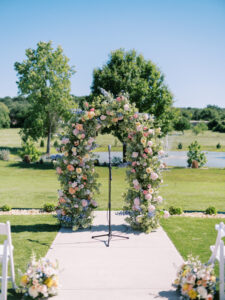
A full floral arch offers romance and a sense of enclosure. It suits garden ceremonies, intimate courtyards, and spaces where the altar needs a stronger focal point. For a more editorial effect, consider an asymmetrical floral composition that rises from one side and appears to grow from the ground. This approach can feel artful without becoming overly structured.

Paired arrangements are especially compelling for formal interiors and château-inspired venues. Positioned on either side of the couple, they create symmetry while preserving the view beyond. Floral pillars can deliver a similar effect with more vertical drama, especially in rooms with tall ceilings.

Draped fabric brings softness, but it requires careful handling. The fabric should be full enough to look intentional, properly secured, and chosen in a finish that photographs well. Thin, taut panels often read as temporary. Richer folds in ivory, champagne, or a muted neutral can feel timeless when they respond to the proportions of the space.

Build the Palette Around Light and Season

Color is never experienced in isolation. It changes with daylight, indoor lighting, the color of the walls, and the time of your ceremony. A palette that looks luminous in a florist’s studio can feel cool or flat once it is placed against stone, greenery, or a dark interior.

Soft white, cream, blush, pale peach, and delicate green remain enduring choices because they reflect light beautifully and allow texture to lead. These tones are particularly graceful for a formal ceremony, though they should not be mistaken for the only elegant option. Deep Bordeaux, muted mauve, dusty blue, or restrained touches of black can create a more dramatic mood when balanced by warm candlelight and refined materials.

Season should guide the flower selection, not limit the vision. Spring branches can make an altar feel fresh and sculptural. Summer brings abundance and softness. Autumn can be romantic without turning rustic when warm tones are paired with refined vessels and tailored linens. In winter, evergreens, white florals, and candlelight create a quietly cinematic atmosphere.

Ask your floral designer how each proposed bloom will perform in the ceremony environment. Outdoor Texas heat, direct sunlight, and wind can affect delicate flowers and tall installations. An elegant design must look composed when the first guest arrives and remain so when you walk down the aisle.

Plan for Photography Without Designing Only for Photos

Your ceremony backdrop will appear in portraits, wide room images, guest photographs, and the quiet frames taken during the vows. It should be designed with photography in mind, but it should still feel meaningful in person.

Avoid placing the couple directly in front of a visually busy pattern, a harshly reflective surface, or a window that creates strong backlighting without a plan for it. A talented photographer can work with difficult light, but a thoughtful ceremony layout makes their work easier and your images more consistent.

Consider the view from three positions: where guests enter, where you stand during the vows, and where your photographer will shoot the recessional. These perspectives often reveal whether the altar needs more visual weight, whether a floral installation blocks an important feature, or whether the aisle needs a stronger sense of direction.

Candlelight deserves special attention. It adds warmth, movement, and ceremony, particularly for late-afternoon and evening celebrations. Use it in abundance rather than scattering a few small pieces across a large space. Grouped candles at varied heights feel luxurious and read beautifully as daylight softens.

Spend Where the Eye Will Rest

A well-designed ceremony backdrop does not require floral coverage everywhere. Direct the investment toward the areas guests will truly see: the altar frame, the aisle entrance, and the ground around the couple. This can produce a more impressive result than stretching a smaller quantity of flowers across every surface.

If the budget calls for choices, prioritize scale and placement over excessive variety. Fewer flower types in larger, intentional groupings often look more expensive than a mixed assortment of small arrangements. Reuse is also worth considering. Ceremony arrangements can later frame the head table, bar, lounge, or cake display, provided the transition is planned with your vendor team.

There are moments when an elaborate installation is exactly right, especially for a large guest count or a room that requires visual definition. In other settings, the most luxurious choice is restraint: a remarkable view, beautifully arranged flowers, and the space to make your promises to one another.

When you begin planning, stand at the ceremony site and imagine the room without a single accessory. Notice where your eyes naturally land. That is the place your backdrop should honor. From there, every flower, fold of fabric, and flicker of candlelight can serve one purpose: making the moment you say yes feel entirely your own.

Filed Under: Tips and Tricks Tagged With: Chateau Joli Wedding Venue, chateau joli weddings, dallas wedding venue, Fort Worth wedding venue, fort worth weddings, texas wedding venues, Wedding planning tips

Luxury Wedding Reception Ideas With French Grandeur

July 26, 2026 by admin

A reception becomes memorable when guests feel they have entered a world with its own point of view. The most compelling luxury wedding reception ideas do not depend on filling a room with more. They begin with a setting of architectural character, then layer in hospitality, light, music, and detail with a confident hand.

For a French-inspired celebration, the goal is not to imitate a palace or overwhelm the evening with ornament. It is to create a sense of occasion: a candlelit dinner that feels generous, a room that photographs beautifully from every angle, and a progression from arrival to last dance that feels considered.

Begin With a Venue That Carries the Design

A luxury reception is easier to create when the venue already offers presence. Grand windows, sculptural staircases, elevated ceilings, refined stonework, and thoughtful proportions give the celebration a visual foundation that rentals alone cannot reproduce.

This is where the budget becomes more intelligent. A distinctive setting can reduce the need for extensive draping, decorative walls, or oversized installations intended to disguise a generic room. Rather than competing with the architecture, your floral designer and planner can select a few extraordinary moments that feel native to the space.

At CHÂTEAU JOLI, a French-inspired setting gives couples in the Fort Worth area a rare opportunity to build around timeless grandeur instead of constructing it from scratch. The result can feel transportive without asking guests to travel across an ocean.

Create an Arrival Worth Pausing For

The first few minutes set the emotional temperature of the evening. Guests should know immediately that the reception has begun and that this portion of the celebration has its own atmosphere.

Consider a champagne welcome presented on trays at the entrance, accompanied by a string quartet, pianist, or a refined live ensemble. A custom escort display can serve as both an organizational detail and an artful focal point. Think handwritten calligraphy on silk ribbons, cards nestled among garden roses, or place assignments displayed against an antique-inspired mirror.

Lighting matters here. Candlelight at the entry, warm pin spots on florals, and a softly illuminated bar create depth before guests reach their tables. Avoid treating the cocktail hour transition as a hallway between events. Give it a sense of ceremony.

Luxury Wedding Reception Ideas for the Table

The dinner table is where luxury becomes intimate. It is the place guests spend the most time, and it should reward close attention without becoming crowded or difficult to converse across.

Choose one central table story and repeat it with restraint. Long feasting tables beneath low, floral chandeliers create a dramatic European mood. Rounds with sculptural centerpieces and layered linens can feel equally grand, particularly when paired with varied candle heights. The right choice depends on the room, guest count, and the social energy you want. Long tables encourage a convivial, dinner-party feeling; rounds make it easier to see the room and move through service.

Elevated place settings are often more memorable than excessive decor. Fine glassware, textured chargers, crisp napkins, menu cards with beautiful typography, and a considered color palette establish refinement at every seat. A palette of ivory, soft stone, faded blue, blush, or deep merlot can feel romantic and enduring. For a more formal evening, introduce black, espresso, or antique gold in smaller accents.

Fresh florals should feel abundant but not obstructive. Low arrangements invite conversation, while high arrangements create scale. Combining both gives the room movement. Fruit, taper candles, and trailing greenery can add richness, though the most successful tablescapes still leave breathing room for wine, bread service, and the simple pleasure of a beautiful meal.

Let Candlelight Do the Work

Nothing flatters a reception quite like candlelight. Hundreds of tapers and votives can transform a room more profoundly than one large decorative purchase, especially as daylight fades and dinner begins.

Use real flame where venue policy and planning allow, with hurricanes or carefully placed vessels for protection. If LED candles are necessary, choose high-quality versions and use them consistently. A mix of real flame and visibly artificial light can interrupt an otherwise polished design.

Design the Dinner as a Hospitality Moment

A luxury wedding is felt as much as it is seen. Guests remember whether the bar line moved quickly, whether the meal arrived warm, whether they understood where to go, and whether there was a graceful rhythm to the night.

Work with a caterer who can create a restaurant-level experience at scale. A plated dinner feels formal and measured, while family-style service brings warmth and abundance. Stations can be exceptional for a more animated reception, but they require careful placement and staffing so guests are not standing in lines during key moments. The best choice is not always the most expensive one. It is the service style that suits your guest count, timeline, and desired mood.

A signature cocktail can carry the reception design into the bar program. Serve it with a beautiful garnish and a name that feels personal without becoming overly themed. Offer an equally thoughtful nonalcoholic option, alongside champagne and a well-curated wine selection. This small gesture communicates care to every guest.

For an additional layer of surprise, consider a late-evening hospitality moment: espresso and petite desserts, passed French fries in elegant cones, a champagne cart, or warm cookies presented as guests transition to the dance floor. The detail should feel like a gift, not a distraction.

Give the Evening a Sense of Movement

A reception should not feel like a series of announcements. It should unfold in chapters: an anticipatory arrival, cocktails and conversation, a dramatic room reveal, dinner, toasts, dancing, and a final farewell.

Music is essential to this progression. A live ensemble can make cocktail hour feel cinematic, while a band brings a distinctive energy to the dance floor. A DJ may offer greater flexibility across genres and is often the stronger choice for couples who want a late-night party. Some celebrations benefit from both: live music early in the evening, then a DJ for the final hours.

Plan one or two high-impact transitions rather than packing every hour with formalities. A grand entrance, a first dance under a floral installation, or the opening of a champagne tower can create a focal point. Too many planned reveals can make guests feel managed rather than welcomed.

Build a Dance Floor Guests Want to Enter

The dance floor needs visual invitation. Position it where it can be seen from dinner tables, then frame it with light, florals, or a band stage that gives it energy. A dance floor tucked away from the main room can split the crowd and dilute the atmosphere.

An overhead installation can make the space feel intimate and extraordinary, especially in a grand room. It might be floral, suspended lanterns, strands of warm light, or a tailored combination of all three. If the ceiling is already architecturally compelling, simpler lighting may be the more luxurious decision.

Do not underestimate comfort. Keep the bar accessible, provide a lounge area nearby for guests who want to remain part of the celebration without dancing, and consider a discreet basket of heel protectors or comfortable footwear. Luxury often lives in anticipating what guests will need before they ask.

Finish With a Farewell That Feels Intentional

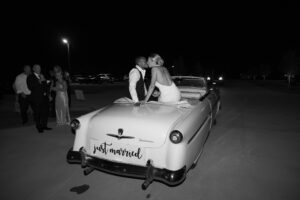
The final moments deserve the same attention as the first. A sparkler exit can be lovely, but it is not the only choice and may not suit every venue, timeline, or guest group. A petal toss, ribbon wands, vintage car departure, or a final private dance after guests have exited can feel more personal and less expected.

Consider sending guests away with something useful and beautifully presented: a small box of sweets, a late-night breakfast pastry, or a handwritten note from the couple. The gesture need not be elaborate. It should feel aligned with the evening and easy for guests to enjoy.

The finest reception design does not announce its effort. It allows guests to feel beautifully cared for, surrounded by details that belong together. Choose the elements that make your celebration feel unmistakably yours, then give them enough space to be noticed.

Filed Under: Uncategorized

How Much Does a Fort Worth Wedding Venue Cost? A 2026 Pricing Guide

June 26, 2026 by admin

How Far Ahead Should You Book a Wedding Venue?
How Much Does a Fort Worth Wedding Venue Cost? A 2026 Pricing Guide

If you’ve started shopping for a Fort Worth wedding venue, you’ve probably noticed that pricing pages can be… vague. “Contact us for pricing” is everywhere, and it makes building a realistic wedding budget nearly impossible in the early planning stages.

At Château Joli, we believe in transparency from the very first visit to our website. Here’s a real look at what it costs to book a wedding venue in the Fort Worth area in 2026, what that price actually includes, and how to think about your venue budget before you fall in love with a date.

Why Venue Pricing Varies So Much in DFW

Wedding venue costs across Dallas-Fort Worth swing widely depending on a few key factors:

  • Day of the week. Saturdays are the most requested day, so they’re priced highest. Friday and Sunday typically run slightly less, and weekday weddings can save you thousands.
  • Guest count and square footage. A venue that comfortably fits 300 guests is priced differently than an intimate space for 50.
  • What’s bundled in. Some venues charge a bare rental fee and nothing else. Others include tables, chairs, a bridal suite, a catering kitchen, and event staff in that single number.
  • Season and demand. Spring and fall remain the most popular wedding seasons in North Texas, which can affect availability and, at some venues, pricing.

Château Joli’s 2026 Venue Pricing

We keep our rates simple and posted right on our site, because we’d rather you spend your energy on the fun parts of planning.

2026 Rates (14-hour venue rental):

  • Saturday — approximately $9,500
  • Friday & Sunday — approximately $8,500
  • Monday–Thursday — approximately $6,500 (10-hour rental)
  • Hourly rate — approximately $650 (5-hour minimum)

Rehearsal dinners are not included in the base rental but can be added on.

What’s Already Included in Your Rental

This is where it pays to read the fine print on any venue’s pricing page. At Château Joli, your venue rental includes access to:

  • The Ballroom, with customizable floor plans for up to 300 guests
  • The covered patio with a fireplace and motorized blinds
  • An outdoor turf space for ceremonies or cocktail hour
  • A full catering kitchen with a dedicated service entry
  • A private, code-locked bridal suite and a separate groom’s suite
  • A built-in beverage bar, dimmable lighting, large parking lot, and a venue concierge on site
  • A one-hour rehearsal and a two-hour bridal engagement photo session (subject to availability)

Knowing what’s bundled in versus what you’ll need to rent separately (linens, china, lounge furniture) makes it much easier to compare venues apples-to-apples. For rental needs beyond what’s included, our sister company, May I Serve U, supplies china, glassware, flatware, linens, and lounge furniture for events at Château Joli.

Tips for Budgeting Your Fort Worth Wedding Venue

  1. Decide your guest count early. Venue pricing tiers often hinge on capacity, so a rough headcount helps you avoid touring venues that are the wrong size.
  2. Ask what counts as “included.” Two venues at the same price point can offer very different value if one includes furniture, staffing, or a rehearsal slot and the other doesn’t.
  3. Consider a weekday or Friday/Sunday date. If your dream venue is out of reach on a Saturday, a shift in day can open up real savings.
  4. Factor in catering and rentals separately, unless you’ve chosen an all-inclusive package. A beautiful ballroom is just the beginning of your full event budget.
  5. Ask about photo sessions and rehearsals. Some venues include a complimentary engagement shoot or rehearsal hour, which can save you a separate rental fee elsewhere.

Touring Venues South of Fort Worth

Château Joli sits on 12 acres just south of Fort Worth, giving couples a French-inspired estate feel without the downtown price tag or parking headaches. Whether you’re planning a grand 300-guest celebration or an intimate elopement, our team can walk you through exactly what your budget gets you, with no guessing required.

Ready to see real numbers for your wedding date? Inquire with Château Joli and our team will help you find the package that fits your vision and your budget.


Filed Under: Uncategorized

Why a Private Bridal Suite & Groom’s Suite Matter on Your Wedding Day

June 26, 2026 by admin

Why a Private Bridal Suite & Groom's Suite Matter on Your Wedding Day

When you’re touring Fort Worth wedding venues, it’s easy to focus entirely on the ceremony backdrop and reception space. But ask any photographer, planner, or recently married couple what they wish they’d prioritized more, and “getting-ready space” comes up again and again.

At Château Joli, the bridal suite and groom’s suite aren’t an afterthought tucked behind a curtain. They’re fully designed spaces built to make the hours before “I do” feel just as special as the ceremony itself.

Why Getting-Ready Space Is More Important Than It Seems

Your wedding morning sets the tone for the entire day. A cramped, shared, or poorly lit space can mean:

  • Rushed, stressful hair and makeup sessions
  • Photos that feel cluttered instead of calm and intentional
  • Limited privacy for you and your closest people
  • Logistical headaches if vendors, family, and the wedding party are all competing for the same square footage

A dedicated, private suite solves all of this, and it’s one of the clearest signs that a venue was designed with the full wedding-day experience in mind, not just the reception.

Inside Château Joli’s Bridal Suite

Our bridal suite is a code-locked, private space accessible only to you and your bridal party, which means no surprise run-ins and no worrying about who might wander in. Inside, you’ll find:

  • Hair and makeup seating designed for your glam team
  • Individual closet spaces so every dress, robe, and accessory has a home
  • An en suite bathroom with a shower
  • A kitchenette for snacks, coffee, or a mid-morning toast with your bridesmaids
  • Comfortable lounge seating for the quieter moments between hair, makeup, and photos
  • Complimentary Wi-Fi and a Bluetooth music system to set the mood

It’s the kind of space that photographs beautifully on its own, with soft natural light and room to breathe, rather than a back office repurposed for the day.

Inside Château Joli’s Groom’s Suite

The groom and his party get an equally considered space, separate from the bridal suite, including:

  • Individual closet spaces
  • A private bathroom
  • A mini kitchenette
  • A game room with a pool table, perfect for easing pre-ceremony nerves
  • Lounge seating with a large TV
  • Complimentary Wi-Fi

It’s a space designed to actually be enjoyable to wait in, not just functional.

What to Look for When Touring Venues

If a private bridal suite and groom’s suite matter to your wedding day vision, here are a few questions worth asking on every venue tour:

  1. Is the space private and lockable? Security and privacy matter, especially on a day with a lot of moving parts and unfamiliar faces.
  2. Is there natural light? This affects both your comfort getting ready and the quality of your getting-ready photos.
  3. Are bathrooms en suite, or will you need to leave the space? A shared or distant restroom can disrupt the calm of the morning.
  4. Is there room for your whole party, plus vendors? Hair, makeup, photography, and a wedding party of six or more all need workable space.
  5. What’s included, and what will you need to bring in? Some venues offer bare rooms; others, like Château Joli, include furnished lounge seating, kitchenettes, and entertainment.

A Full-Day Experience, Not Just a Reception Backdrop

At Château Joli, the bridal suite and groom’s suite are part of a larger design philosophy: every part of your day, from the morning prep to the final send-off, deserves intentional space. That’s true throughout the venue, from our 12-acre grounds south of Fort Worth to the ballroom that can flex for up to 300 guests.

Want to see the suites for yourself? Explore the bridal suite and groom’s suite on our site, or schedule a tour to experience the full venue in person.


Filed Under: Tips and Tricks Tagged With: Chateau Joli Wedding Venue, chateau joli weddings, dallas wedding venue, Fort Worth wedding venue, fort worth weddings, texas wedding venues, Wedding planning tips

What to Say When Proposing Marriage: Romantic Words for an Unforgettable Engagement Moment

May 1, 2026 by admin

What to Say When Proposing Marriage: Romantic Words for an Unforgettable Engagement Moment

A marriage proposal is more than a question — it’s a once-in-a-lifetime moment that becomes part of your love story forever.

Many people spend months choosing the perfect ring, location, and surprise details… then realize one important question remains:

What do I say when proposing marriage?

The truth is, the most memorable proposals are not about having perfect words. They’re about speaking sincerely, lovingly, and from the heart.

If you’re planning to ask the biggest question of your life, here are meaningful ideas for what to say during a romantic engagement moment.


Start With Why You Love Them

Before asking the question, share what makes them the person you want forever.

You might say:

  • “From the day I met you, life became brighter.”
  • “You make ordinary days feel extraordinary.”
  • “You are my peace, my joy, and my best friend.”
  • “Loving you has been the easiest and best part of my life.”

This creates emotional depth and makes the proposal feel personal.


Reflect on Your Journey Together

Mentioning your relationship journey makes the moment intimate and unforgettable.

Examples:

  • “We’ve grown through so much together, and every season has made me love you more.”
  • “Every challenge we’ve faced only showed me I want to face life with you.”
  • “Every memory with you has led me to this moment.”

This reminds them that the proposal is built on real love, not just a surprise gesture.


Speak About the Future

A proposal is about the future you’re inviting them into.

You might say:

  • “I can’t wait to build a home, memories, and a life with you.”
  • “I want every chapter ahead to include you.”
  • “No matter where life takes us, I want us to walk there together.”

This turns the proposal into a shared vision.


Then Ask Clearly and Simply

You do not need an elaborate closing line. The most powerful words are often the simplest.

  • “Will you marry me?”
  • “Will you spend forever with me?”
  • “Will you be my wife?”
  • “Will you make me the happiest person alive and marry me?”

Say it clearly. Slow down. Let the moment breathe.


Romantic Proposal Script Example

If you’re nervous, here is a simple structure:

“You have changed my life in the most beautiful ways. Every day with you feels like a gift. I can’t imagine my future without you in it. I want to laugh with you, grow with you, and love you for the rest of my life. Will you marry me?”

Simple. Sincere. Powerful.


Where You Propose Matters Too

Words create emotion — but the setting creates memory.

A proposal in a beautiful, elegant space becomes even more unforgettable. Gardens, timeless architecture, and romantic surroundings can elevate the entire experience.

That’s why many couples choose meaningful locations that feel intimate and beautiful.

If you’re dreaming of a romantic setting in Texas, exploring Fort Worth proposal and wedding venue spaces can inspire both the engagement and the celebration that follows.
👉 Chateau Joli Venue


After the “Yes”: Start Dreaming About the Wedding

Once the proposal happens, the next chapter begins quickly — celebrating with loved ones and planning the wedding day.

Many couples begin searching for a venue soon after getting engaged. Touring a venue early can help shape your vision and timeline.
👉 Book here


Romance Begins at Chateau Joli Venue

As Fort Worth’s premier French-inspired wedding venue, Chateau Joli offers a setting filled with romance, elegance, and timeless beauty.

From manicured gardens to refined interiors, it’s the perfect place for couples beginning their forever story.


Final Thoughts

If you’re wondering what to say when proposing marriage, remember this:

You don’t need perfect words.
You need honest ones.

Speak from the heart, share your love, and ask with sincerity. That is what they’ll remember forever.

And when the answer is yes, a beautiful new chapter begins. 🤍

Filed Under: Uncategorized

  • Go to page 1
  • Go to page 2
  • Go to page 3
  • Interim pages omitted …
  • Go to page 12
  • Go to Next Page »
  • FACEBOOK
  • INSTAGRAM

Copyright © 2026 · CHÂTEAU JOLI