• Skip to main content

CHÂTEAU JOLI

French-Inspired Wedding Venue located south of Fort Worth, Texas

  • ABOUT
  • VENUE DETAILS
  • THE JOURNAL
  • FAQ’s
  • INQUIRE

fort worth weddings

Do Venues Allow Rehearsal Dinners? What to Know

November 11, 2026 by admin

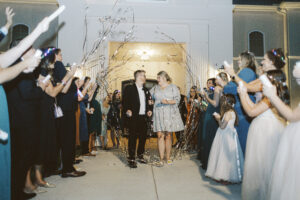
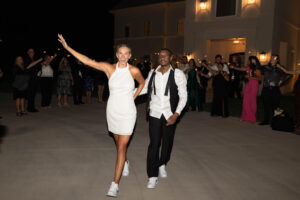
The ceremony rehearsal ends just as the late-afternoon light turns golden. Your closest people linger in the courtyard, champagne is poured, and the anticipation of the wedding day begins to settle in. It is easy to picture this kind of welcome evening in the same place as your celebration, but do venues allow rehearsal dinners? Often, yes – though the answer depends on the property’s availability, event schedule, spaces, and booking policies.
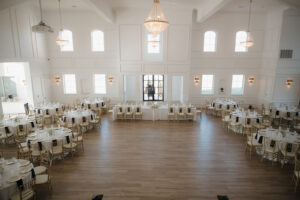
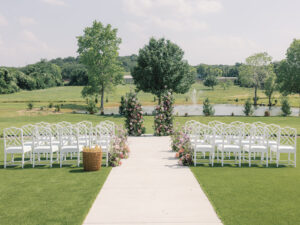
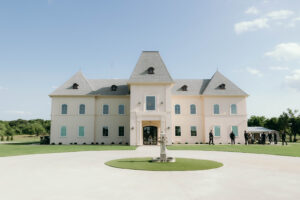
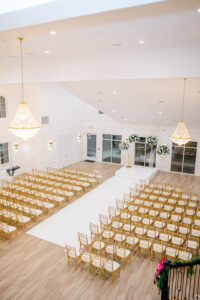
Do venues allow rehearsal dinners? Learn what to ask, what affects availability, and how to plan an elegant welcome evening at your wedding venue today.

For couples planning a refined wedding weekend in Fort Worth or across North Texas, hosting the rehearsal dinner at the venue can create a beautifully cohesive beginning. It also requires an early, thoughtful conversation. A rehearsal dinner is not always included with a wedding booking, and the details matter as much as the setting.

Do Venues Allow Rehearsal Dinners as Part of a Wedding Booking?

Many wedding venues permit rehearsal dinners, either as an added event, an included use period, or a separate private rental. Others reserve the evening before a wedding for setup, staff preparation, or another client’s celebration. There is no universal standard, particularly among sought-after venues with a full calendar.

A venue may offer the entire property for a rehearsal dinner, a smaller salon or terrace for an intimate meal, or access only for the ceremony rehearsal itself. Some properties welcome a catered dinner after the walkthrough, while others allow a brief rehearsal but require dinner to take place elsewhere. The distinction is worth clarifying before you make plans with family or send save-the-dates for a wedding weekend.

At a design-forward property, the appeal is clear. A rehearsal dinner in the same French-inspired surroundings as the wedding can feel intentional rather than repetitive. It gives guests another moment to experience the architecture, hospitality, and atmosphere you chose for the occasion. Still, the most elegant plan is one that respects the venue’s operational rhythm and leaves ample time for the wedding day to be prepared with care.

Why Availability Can Be Limited

The evening before a wedding is valuable time. Florals may be arriving, specialty rentals may need placement, the catering team may be preparing, and your planner may be refining the final visual details. A venue that limits rehearsal-dinner access is not necessarily being restrictive. It may be protecting the level of presentation and service promised for your wedding.

Availability is also shaped by the event calendar. If a venue hosts a Friday wedding before your Saturday celebration, an on-site Thursday rehearsal dinner may be possible while Friday evening is not. If the property is reserved exclusively for your wedding weekend, there may be more flexibility, but exclusivity does not automatically mean every space and every hour is included.

Guest count changes the conversation as well. A dinner for 20 immediate family members can work very differently from a 75-person welcome party with cocktails, passed hors d’oeuvres, music, and a full seated meal. The latter is, for all practical purposes, a second event. It requires staffing, furniture, food and beverage planning, parking consideration, and a clear plan for cleanup.

Ask About the Experience, Not Just the Yes or No

When you tour a venue, ask whether rehearsal dinners are permitted. Then go a step further. The quality of the answer matters more than a simple yes.

Ask which spaces are available, how many guests each can accommodate, and whether access is exclusive or shared. Confirm the permitted start and end times, including vendor arrival, setup, breakdown, and décor removal. A two-hour dinner can require five or six hours of venue access once those behind-the-scenes needs are considered.

You will also want to understand the food and beverage policy. Some venues require couples to select from approved caterers or bar partners. Others may allow outside catering with insurance, staffing, and equipment requirements. If you are envisioning a formal plated dinner, a garden-style cocktail reception, or a family-style meal under candlelight, share that vision early. The venue team can tell you whether it complements the space and schedule.

These questions are especially useful to raise before signing your wedding agreement:

  • Is a rehearsal dinner included, available as an add-on, or booked under a separate agreement?
  • Which areas of the property may be used, and what are their guest capacities?
  • What access window is provided for setup, guest arrival, dinner, and cleanup?
  • Are there food, bar, entertainment, décor, or vendor requirements?
  • Will the dinner affect wedding-day setup or require any changes to the event design?

A clear contract is more romantic than a vague assumption. It protects your plans and helps your planner build a weekend that feels effortless to guests.

The Cost Trade-Off Is Often Worth Considering

An on-site rehearsal dinner can simplify transportation and give you a polished, unified guest experience. Out-of-town guests have one destination to navigate. Your wedding party does not have to rush from the rehearsal to a separate restaurant. Your photographer can capture welcome moments against a setting that already reflects your wedding aesthetic.

Those conveniences may come with an added venue fee, food and beverage minimum, security requirement, or rental charge for furniture and linens. The cost may be higher than reserving a private room at a restaurant, particularly if you want to use the venue’s most prominent spaces. It can also reduce the time available for elaborate wedding setup the following morning.

For some couples, the better choice is an intimate dinner elsewhere after an on-site ceremony rehearsal. A favorite Fort Worth restaurant can bring a more relaxed, personal contrast to a formal wedding day. For others, keeping the entire evening at the venue is precisely what makes the weekend feel like a complete occasion. Neither approach is more correct. The right choice reflects your guest list, budget, design priorities, and desired pace.

Design a Rehearsal Dinner That Complements the Wedding

A rehearsal dinner does not need to replicate your reception. In fact, it is often more memorable when it has its own point of view. If your wedding is black tie and grand, the rehearsal dinner might be a candlelit supper with a pared-back palette, seasonal menus, and a few meaningful toasts. If the wedding is filled with formal florals and layered tablescapes, the prior evening can feel intimate with bistro-inspired details and relaxed conversation.

Consider the emotional purpose of the gathering. This is the moment for parents to welcome guests, for your wedding party to meet, and for you to be present before the pace of the wedding day begins. Build enough structure to make guests feel hosted, but not so much programming that the evening becomes another production.

A welcome cocktail can work beautifully before the ceremony rehearsal, followed by dinner once everyone has practiced the processional. If guests are traveling from multiple places, a later start and a flexible reception-style format may be kinder than a strict seated dinner. If your group is small, a single long table can create the warmth that a large ballroom never could.

At CHÂTEAU JOLI, a French-inspired setting naturally invites an evening shaped by understated grandeur: a gracious arrival, considered tables, warm candlelight, and time for the people who brought you to this moment. The strongest design choice is not always more décor. It is choosing an atmosphere that feels authentic to the celebration ahead.

Book the Rehearsal Dinner Early

If hosting at your venue is a priority, mention it at your first inquiry or tour. Do not wait until your wedding is booked and vendors are secured. Early planning gives you a more accurate view of availability, pricing, preferred partners, and the time needed to prepare the property for the main event.

It also allows your planner to coordinate the weekend as one story. They can schedule rentals, florals, arrivals, and staff transitions with fewer surprises. If the venue cannot host your dinner, you will still have time to reserve a nearby alternative that feels equally considered.

The most gracious rehearsal dinners leave guests with a sense of ease. Whether yours unfolds at the wedding venue or around a beautifully set table elsewhere, let it be the quiet, lovely prelude to everything still to come.
Filed Under: THE VENUE, Tips and Tricks Tagged With: chateau joli wedding, Chateau Joli Wedding Venue, chateau joli weddings, dallas wedding venue, dfw wedding venue, Fort Worth wedding venue, fort worth weddings, texas wedding venues, Wedding planning tips

Wedding Venue Accessibility Guide for Guests

October 28, 2026 by admin

A beautiful celebration is measured not only by its setting, but by how it makes people feel. This wedding venue accessibility guide is designed for couples who want every cherished guest – from grandparents to friends with mobility, sensory, or dietary needs – to feel genuinely considered from the moment they arrive.

At a French-inspired wedding, hospitality is part of the atmosphere. It lives in the welcome, the pacing of the evening, the comfort of the table, and the confidence that no guest must navigate an avoidable obstacle alone. Thoughtful accessibility planning protects that feeling while allowing the design of the day to remain entirely your own.

Why Accessibility Belongs in Your Venue Conversation

Accessibility is not a single feature to check off. It is a guest-experience consideration that touches arrival, ceremony seating, restrooms, dinner, transitions, and departure. A venue may have an accessible entrance, for example, yet still require careful planning for a lawn ceremony, a cocktail hour on an uneven surface, or a long walk between key spaces.

The most useful questions are specific to your guest list. Perhaps a parent uses a cane, a close friend is recovering from surgery, or an honored guest has low vision, hearing loss, or sensory sensitivities. You do not need to ask anyone to disclose more than they wish to share. A simple, gracious conversation about what would make the day more comfortable often provides all the direction you need.

For many couples, accessibility also improves the celebration for everyone. Clear signage helps guests find their way. Comfortable seating creates a more relaxed cocktail hour. A well-paced timeline gives older relatives, young children, and guests with chronic health conditions room to enjoy the evening without feeling rushed.

Wedding Venue Accessibility Guide: What to Ask First

Bring accessibility into the venue tour early, ideally before you have fallen in love with a particular ceremony view or reception floor plan. The goal is not to compromise on beauty. It is to understand how the property can support your vision with thoughtful logistics.

Arrival, Parking, and the Path to the Celebration

Ask where accessible parking is located and how far it is from the ceremony and reception entrances. Confirm whether the route is paved, level, well lit, and protected from common weather conditions. In North Texas, heat, rain, and evening darkness can change how manageable a pathway feels.

If valet, golf-cart transport, or a shuttle is part of the plan, clarify how guests who use wheelchairs, walkers, or other mobility devices will be accommodated. It is also wise to ask where rideshare guests should be dropped off and whether a member of the venue or planning team can greet guests who may need direction.

A dramatic arrival can still be an easy one. The finest guest experience feels effortless because the details have been arranged quietly in advance.

Entrances, Elevators, and Interior Movement

During your tour, follow the route a guest would take rather than viewing each room in isolation. Note door widths, thresholds, ramps, elevators, handrails, and the distance between spaces. Ask which entrances are best for guests with limited mobility, particularly if the main entrance includes stairs or decorative exterior approaches.

If your wedding includes multiple levels, verify whether an elevator is available for guests as well as vendors and equipment. Ask whether the elevator serves every event space you intend to use, and build enough time into the schedule for guests who cannot use stairs. A quick room flip for the wedding party may be simple; a multi-level transition for 150 guests deserves more intention.

This is also the moment to consider flooring. Stone, gravel, grass, gravel-lined paths, thick rugs, and cobblestones can be visually striking, but they may present challenges for wheels, canes, formal footwear, or guests with balance concerns. Sometimes the answer is a different route, a discreet temporary surface, or a floor plan that keeps the essential moments on one accessible level.

Ceremony Seating That Feels Natural

Reserve accessible seating before the ceremony, rather than attempting to create it after guests arrive. Spaces near the front can be meaningful for family members, but the right placement depends on the person. Some guests may prefer an aisle seat near an exit; others may need room beside them for a companion, wheelchair, service animal, or mobility device.

Consider sightlines as carefully as proximity. A guest using a wheelchair should not be placed where standing attendees will block the ceremony. Likewise, guests with low vision may benefit from seating closer to the processional path, while those with hearing needs may appreciate a location near speakers or an available assistive listening option.

Avoid treating accessible seating as separate or conspicuous. When it is integrated into the ceremony design, it simply feels like excellent hosting.

Comfort Beyond Mobility Needs

An accessible wedding is also attentive to sensory, medical, and dietary realities. These needs vary widely, so there is no single formula. What matters is offering clear information and a point of contact who can respond with care.

For guests with hearing differences, ask your entertainment team about microphone placement and sound levels. Vows, toasts, and parent dances can lose their emotional impact when music is too loud or speeches are difficult to follow. Captions, printed readings, or a live transcription option may be appropriate for some celebrations, particularly when a guest has requested support.

For guests with visual impairments, keep major walkways free of low décor, cords, and unexpected furniture. Clear, high-contrast signage is more helpful than overly ornate directions. If lighting will dim for dinner or dancing, make sure routes to restrooms and exits remain safely illuminated.

Sensory needs deserve equal consideration. A grand reception can be full of music, conversation, fragrance, camera flashes, and movement. Designating a quieter adjacent area, when the property allows, gives guests a place to step away without leaving the celebration. It can be particularly welcome for neurodivergent guests, older relatives, and anyone managing migraines or fatigue.

Food service should be handled with the same precision. Share dietary requirements with the caterer well before the final count, and make certain the service team knows which guests require a specific meal. A polished plated dinner loses some of its ease if a guest must repeatedly explain an allergy at the table.

Build Accessibility Into the Timeline

The timing of a wedding can be just as important as the physical layout. Leave breathing room between the ceremony and cocktail hour, especially when guests must travel between indoor and outdoor spaces. If portraits require you to close a route temporarily, make sure another route is clearly available.

Think carefully about heat exposure for an outdoor ceremony. Offer water before guests take their seats, provide shade where possible, and avoid an extended wait on a warm Texas afternoon. If a ceremony site is distant from the reception, consider whether a transport option or early seating window will make the transition more comfortable.

Your planner, venue contact, and family members should know who may need a little extra support, but only with the guest’s permission and only to the extent necessary. Assigning one trusted person to assist can prevent well-meaning confusion when the day is in motion.

Communicate with Grace Before the Wedding

Your wedding website or invitation details can set the tone without becoming clinical. Include practical information about parking, accessible entrances, terrain, transportation, and whether events will be held indoors or outdoors. If guests should request accommodations by a certain date, give them a direct and welcoming way to do so.

Be honest about the setting. If your ceremony takes place on a lawn, say so. If there are stairs at the most scenic entrance but an alternate accessible route, explain where it is. Guests are better able to prepare when the information is clear, and they will appreciate not having to seek it out privately.

At CHÂTEAU JOLI, a refined celebration begins with the assurance that every guest can be welcomed with consideration. The architecture, the florals, and the candlelight may define the scene, but hospitality is what allows the evening to linger in memory.

As you finalize your plans, picture each guest arriving, finding their seat, sharing a toast, and moving through the evening with confidence. That quiet ease is one of the most elegant details you can offer.

Filed Under: THE VENUE, Tips and Tricks Tagged With: chateau joli wedding, Chateau Joli Wedding Venue, chateau joli weddings, dallas wedding venue, dfw wedding venue, Fort Worth wedding venue, fort worth weddings, texas wedding venues, Wedding planning tips

Weekend Versus Weekday Wedding: Which Fits?

October 23, 2026 by admin

The calendar is not merely a logistical detail. It shapes the pace of your celebration, who can be present, how guests arrive, and the feeling that lingers after the final toast. A weekend versus weekday wedding is ultimately a choice between two distinct experiences – each with its own elegance, considerations, and advantages.

For couples planning a refined North Texas celebration, the right date is rarely about following convention. It is about choosing the setting that gives your guest list, design vision, and wedding weekend the space to feel beautifully considered.

Weekend Versus Weekday Wedding: What Truly Changes

Saturday has long been the traditional choice for good reason. It allows guests to travel with fewer scheduling conflicts, gives everyone permission to settle in, and naturally creates the feeling of an occasion. A Friday evening can offer much of the same ease, especially for local guests and a celebration that extends into the weekend.

A weekday wedding, meanwhile, can feel wonderfully unexpected. There is a certain romance in asking loved ones to step away from ordinary routines for an evening of champagne, candlelight, and celebration. For the right guest list, a Wednesday or Thursday affair feels intimate and intentional rather than inconvenient.

The decision is less about which day is objectively better and more about what your wedding needs to hold: a larger gathering with guests traveling from across the country, a late-night reception, an intimate dinner party atmosphere, or a full weekend of hospitality.

Your Guest List Sets the Tone

If many of your guests will be traveling from outside Dallas-Fort Worth, a Saturday wedding usually offers the greatest ease. They can arrive Friday, enjoy the celebration without rushing toward an early workday, and depart Sunday. This rhythm is particularly appealing for a formal affair with a welcome dinner, a farewell brunch, or meaningful time set aside with family.

For a predominantly local guest list, the distinction may be less dramatic. A Thursday evening wedding can be exceptionally well attended when the invitation arrives with ample notice and the event begins at a considerate hour. Guests who value the couple and the experience will often make room for a celebration that feels special.

Be candid about your priorities. If having every college friend and distant relative in attendance matters deeply, the accessibility of a weekend date may be worth the investment. If your vision centers on a more intimate group of people who will gladly rearrange their schedules, a weekday can create a guest experience that feels personal and rare.

The Budget Difference Is Real, but It Is Not the Whole Story

Weekday dates may offer greater venue availability and, depending on the property and season, more flexibility in the overall event budget. They can also open opportunities with photographers, planners, florists, musicians, and other sought-after creative partners whose prime Saturdays book quickly.

That said, lower venue expenses do not automatically make a weekday celebration less expensive. Guests traveling midweek may need additional hotel nights or encounter less convenient flight schedules. Some vendors may have weekday minimums, and a shorter guest count can change food and beverage planning in ways that deserve careful consideration.

The most useful question is not, “How much will we save?” It is, “Where would added flexibility make the greatest difference?” Perhaps it allows for a favorite photographer, a more elaborate floral installation, a longer planning timeline, or a private French-inspired setting that would otherwise be unavailable on your ideal Saturday.

The Case for a Weekend Celebration

There is an unmistakable generosity to a weekend wedding. Your guests arrive ready to be present. The morning can unfold slowly with hair, makeup, portraits, and champagne. By evening, no one is glancing at the time because a workday begins at dawn.

Saturday also supports a fuller expression of the wedding day. A formal ceremony can transition into cocktails, dinner, dancing, and a grand exit without compressing the schedule. For couples imagining black-tie attire, a live band, a late-night dance floor, and an unhurried reception, the traditional weekend format often feels effortlessly aligned.

Friday deserves its own consideration. It retains the celebratory energy of a weekend while giving guests Saturday to recover, explore Fort Worth, or gather again for a relaxed brunch. It can be an ideal middle ground for couples who want a complete wedding experience without centering the event on a Saturday.

Sunday is quieter and often softer in mood. A Sunday afternoon ceremony followed by a garden-inspired dinner can feel luminous, especially in spring or fall. It is less suited to a reception designed to continue late into the evening, but it can be perfect for couples drawn to a more relaxed, daytime elegance.

Why a Weekday Wedding Can Feel So Special

A weekday wedding asks guests to make a deliberate choice: to pause their routines and join you. That choice can lend the celebration an extraordinary sense of intimacy. The room is filled with people who are genuinely invested in being there.

There is also a creative freedom to weekday entertaining. A Thursday ceremony followed by a candlelit dinner may feel like a private soirée rather than a conventional reception. A Tuesday afternoon garden celebration can become an exquisite luncheon, complete with tailored attire, champagne coupes, and a lingering dessert course.

For couples with a smaller guest count, this can be especially compelling. The day does not need to imitate a Saturday wedding on a reduced scale. It can become something more tailored: a ceremony in golden hour, a beautifully paced dinner, and a reception built around conversation, music, and hospitality.

At CHÂTEAU JOLI, the architecture and French-inspired atmosphere can carry a strong visual point of view across either format. A weekday event does not need excessive décor to feel complete when the setting itself creates a sense of arrival.

North Texas Details Worth Considering

In Fort Worth and the greater North Texas market, weather deserves a place in every date conversation. Spring and fall weekends are highly desirable for good reason: the light is gracious, the temperatures are often more comfortable, and outdoor moments feel especially inviting. Those popular dates can book far in advance.

A weekday during a coveted season may offer access to the date, venue, or vendor team you had hoped for. In summer, a weekday can also make it easier to select a later ceremony time, allowing guests to arrive after the strongest heat has passed. A winter weekday can feel particularly glamorous when the design leans into warmth, candlelight, rich textiles, and an intimate indoor reception.

Traffic also matters. A weekday event in the Dallas-Fort Worth area should account for commuting patterns, especially when guests are traveling between cities. An invitation time that looks elegant on paper may be stressful if guests must cross town during rush hour. Consider a later ceremony, clear transportation guidance, and a gracious cocktail hour that allows everyone to arrive without feeling hurried.

Choose the Date That Supports Your Priorities

Before you tour dates or compare proposals, define what cannot be compromised. Is it a Saturday reception that lasts until the last song? Is it the presence of far-flung family? Is it a particular month, a preferred photographer, or a venue whose architecture makes the entire design feel more effortless?

Then consider where you can be flexible. A Friday may preserve your guest experience while giving you more options. A Thursday may make room in the budget for an elevated dining experience. A Sunday may create the luminous, relaxed celebration you have imagined all along.

Avoid selecting a weekday solely because it appears to be the economical answer. Choose it because its rhythm suits you. Likewise, do not choose Saturday simply because it is expected if an intimate Thursday dinner feels more like your relationship and the way you want to host.

Let the Date Shape the Experience Beautifully

Once your date is chosen, let it inform the celebration rather than fight against it. A Saturday invites a full, formal arc from ceremony through late-night dancing. A Friday welcomes the feeling of a weekend beginning. A weekday calls for thoughtful timing, a generous bar and dining experience, and an invitation that makes guests feel the occasion is worth arranging their lives around.

The most memorable weddings do not feel built around a calendar convention. They feel as though every choice, from the arrival moment to the final farewell, was made with intention. Choose the day that gives your celebration its most natural rhythm, then make that rhythm entirely your own.

Filed Under: REAL WEDDING, THE VENUE, Tips and Tricks, Uncategorized Tagged With: chateau joli wedding, Chateau Joli Wedding Venue, chateau joli weddings, dallas wedding venue, dfw wedding venue, Fort Worth wedding venue, fort worth weddings, texas wedding venues, Wedding planning tips

15 Best Wedding Exit Ideas for an Elegant Send-Off

October 14, 2026 by admin

The final photographs should feel like the last page of a beautiful story: guests gathered close, light catching the architecture, and the newlyweds departing with equal parts joy and polish. The best wedding exit ideas do more than create a memorable image. They give the celebration a true sense of occasion, leaving guests with one final, cinematic impression of the evening.

For a French-inspired wedding, restraint is often the most luxurious choice. A send-off need not be loud, complicated, or crowded with props to feel extraordinary. The right exit complements the venue, the season, your attire, and the rhythm of your reception.

Choosing the Best Wedding Exit Ideas for Your Celebration

15 Best Wedding Exit Ideas for an Elegant Send-Off

Before selecting an exit, consider what you want the moment to accomplish. Is it your actual departure after a late-night reception? A staged send-off before guests leave? Or a private farewell captured with only your photographer and wedding party? Each option creates a different atmosphere and requires different planning.

A true late-night exit has unmistakable energy, but it can be difficult to gather guests once the dance floor is in full motion. A planned “faux exit” shortly after dinner or cake cutting is often the more polished choice. Your entire guest list is still present, your floral details are fresh, and your photographer has more control over the composition. Then, you can return to the reception and enjoy the evening without rushing toward the car.

Your venue’s guidelines should shape the decision as well. Open flames, confetti, glass, and loose materials can be restricted for good reason. Ask early about permitted products, cleanup expectations, vehicle access, and the ideal location for photographs. The most graceful exit is one that feels effortless for guests and respectful of the property.

Candlelit Sparklers

Sparklers remain a beloved choice because they offer movement, warmth, and a celebratory glow. A corridor of golden light feels especially striking against a grand façade or evening courtyard. For an elevated result, choose long wedding sparklers, appoint a few attendants to distribute and light them, and ask guests to hold them high rather than wave them close to your gown. 15 Best Wedding Exit Ideas for an Elegant Send-Off

There are trade-offs. Sparklers require careful fire-safety planning, a designated disposal container, and enough space for a comfortable path. They are not appropriate for every venue or weather condition. If permitted, they are best photographed after twilight, when the ambient light is low enough for the sparks to register without losing the detail in your dress and surroundings.

A Vintage Getaway Car

15 Best Wedding Exit Ideas for an Elegant Send-Off

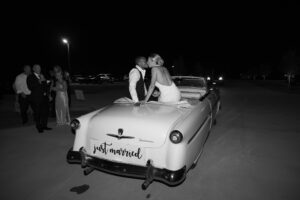
A beautiful departure vehicle needs very little embellishment. A classic Rolls-Royce, Bentley, vintage convertible, or impeccably restored European motorcar sets the tone before you have even stepped inside. It is an ideal choice for couples who want an editorial exit without asking every guest to participate.

Keep the styling considered: silk ribbon, a discreet “just married” detail, or a small floral moment on the rear of the car is enough. Avoid oversized signs and novelty decorations if your overall design leans timeless. The sound of the door closing, the trailing ribbons, and a final wave from the back seat can be more memorable than an elaborate prop-filled procession.

Plan the Vehicle Entrance and Exit

Confirm the vehicle’s arrival time, turning radius, and parking location with your venue and transportation provider. A grand car deserves a clear approach and a clean backdrop. If the exit takes place after dark, subtle exterior lighting will help preserve the romance of the moment in photographs.

White Rose Petals

For a softer, daylight-friendly farewell, white rose petals offer movement without overwhelming the scene. They suit garden ceremonies, courtyard receptions, and early evening exits where sparklers would feel out of place. The effect is delicate and romantic, particularly when guests toss petals upward only after the couple has begun walking.

Use real petals if your venue permits them, and select a quantity generous enough to read in photographs. Artificial petals can appear overly uniform and may create additional cleanup concerns. This is also a lovely option for a ceremony recessional, allowing you to preserve the formal exit for later in the evening.

Ribbon Wands in a Refined Palette

Ribbon wands bring color and movement while keeping the exit quiet, orderly, and guest-friendly. They are particularly practical for an afternoon wedding or a celebration with young guests. Choose silk or satin ribbons in shades that belong naturally to your palette: ivory, champagne, pale blue, soft blush, or deep French blue.

The difference is in the edit. Limit the colors, use matching wand lengths, and avoid adding bells or plastic ornaments. When guests line the path and lift their ribbons together, the result feels airy and joyful, with no debris scattered across the grounds.

A Champagne Toast at the Doors

Not every farewell requires a tunnel. For an intimate guest count or a wedding centered on dinner and hospitality, gather your closest guests at the entrance for a final champagne toast. Step outside together, raise a coupe, and take a few unhurried photographs before departing.

This approach feels distinctly European and beautifully personal. It also allows you to savor a quiet transition from reception to getaway rather than rushing through a crowd. Coordinate glassware and service in advance, and keep the toast brief so the moment remains spontaneous rather than ceremonial.

Cold Sparks for a Dramatic After-Dark Exit

Cold spark fountains create a high-impact backdrop for couples who want an unmistakably grand finale. Unlike handheld sparklers, the effect is structured and symmetrical, making it particularly suited to a formal exit down a wide terrace or exterior drive. It is dramatic, clean-lined, and flattering in both still photographs and video.

This option requires a professional vendor, venue approval, and a thoughtful timing plan. Cold sparks can be a wonderful choice for a late reception, but they should never compete with a quiet, romantic setting where subtlety is the goal. Let the architecture and the couple remain the focus.

A Private Last Dance, Then a Quiet Departure

Some of the most moving exits happen after the guests have gone. Ask your planner or band to clear the room for one final dance, then leave through the doors together while your photographer captures the stillness. There is no confetti, no performance, and no need to coordinate a crowd.

For couples who value candid emotion over spectacle, this can be the most meaningful choice of all. At CHÂTEAU JOLI, a quiet departure after a final dance can let the evening’s French-inspired grandeur linger in the frame: the glow of the reception behind you, the architecture ahead, and a moment that belongs only to the two of you.

Details That Make an Exit Feel Effortless

The best exits are carefully orchestrated behind the scenes. Tell guests what to do with a short announcement from your DJ, bandleader, or planner. Have your coordinator position the group, distribute materials, and keep the path clear. Your photographer should know where the car will stop, which direction you will walk, and whether you want to pause for a kiss or a final wave.

Give yourselves permission to keep the moment brief. A polished exit typically takes only a few minutes. Walk slowly, look at each other more than the camera, and let the excitement around you do the rest. If you are wearing a veil with a long train, ask a trusted attendant to help it move freely without becoming the center of attention.

The most beautiful send-off is not necessarily the one with the most spectacle. Choose the farewell that feels true to the atmosphere you have created, then leave just enough room for the night to feel a little magical.

Filed Under: REAL WEDDING, THE VENUE, Tips and Tricks Tagged With: chateau joli wedding, Chateau Joli Wedding Venue, chateau joli weddings, dallas wedding venue, dfw wedding venue, Fort Worth wedding venue, fort worth weddings, texas wedding venues, Wedding planning tips

Best Bridal Suite Features for Your Wedding

October 7, 2026 by admin

The first champagne toast, the quiet moment with your mother, the final fastening of a gown – these are not secondary scenes. They are part of the wedding story. The best bridal suite features create a private, beautifully composed setting where the morning feels unhurried, the photographs feel natural, and the people closest to you can gather with ease.Best Bridal Suite Features for Your Wedding

For couples planning a refined North Texas celebration, the bridal suite deserves the same consideration as the ceremony setting or reception room. It is where the day begins, where your wedding party settles in, and where many of the most personal images are made. A lovely suite is not simply a place to get dressed. It is a considered hospitality space with the light, scale, comfort, and privacy to support a meaningful beginning.

The Best Bridal Suite Features Begin With Light

Natural light is perhaps the most requested bridal suite feature for good reason. Soft daylight flatters skin tones, reveals the details of a gown, and gives photographers room to create editorial images without relying heavily on artificial lighting. Look for generous windows, pale surroundings that reflect light gracefully, and a layout that allows daylight to reach more than one corner of the room.

The quality of that light matters as much as the quantity. Direct afternoon sun can be difficult in a room with little shade, while a suite with diffused light or layered window treatments offers more flexibility. Ask to see the space at a similar time of day to your wedding morning, especially if getting-ready photography is a priority.

A well-lit suite also changes the feeling of the morning. It makes hair and makeup more comfortable, helps everyone find what they need, and lends even quiet moments a sense of occasion. The result is less like a crowded holding room and more like a private salon before a grand celebration.

A Layout That Gives Everyone Room to Breathe

Beautiful architecture cannot compensate for a suite that feels crowded once stylists, dresses, garment bags, family members, and a wedding party arrive. Scale is essential. The ideal room has enough open floor space for movement, designated places to sit, and clear areas for hair, makeup, and photography.

Consider how many people will truly be present during preparation. A bride with two attendants has different needs from one getting ready with eight bridesmaids, both mothers, a photographer, a videographer, and a full beauty team. It depends on the rhythm you want for the morning. Some couples prefer a lively gathering, while others want a more intimate setting with only immediate family nearby.

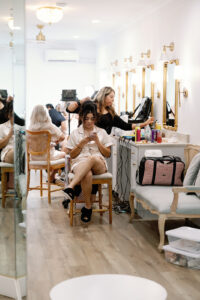
The most functional suites offer distinct zones without feeling compartmentalized. A comfortable lounge area allows loved ones to visit and relax. A polished vanity or counter area gives stylists a practical workspace. An open, uncluttered location near a window provides room for gown photographs and the final getting-ready moments. When each purpose has a place, the atmosphere remains composed rather than chaotic.

Seating That Feels Considered

Enough seating is a small detail with a large effect. A bridal party should not need to perch on luggage or stand through an entire morning. Look for a mix of chairs, sofas, and occasional seating that feels substantial enough for the people who will share the space.

Choose quality over excess. One elegant sofa, several supportive chairs, and a well-placed table can feel more gracious than a room crowded with mismatched furniture. The furniture should also complement the wedding’s visual language. Thoughtful finishes, graceful silhouettes, and an elevated palette become part of the photographs rather than an element you hope to crop out.

Private Spaces Make the Morning More Personal

Privacy is among the best bridal suite features because it gives you control over an emotional part of the day. Before the ceremony, you may want a few minutes away from vendors and guests. You may also wish to share a first look with your father, exchange a note with your partner, or simply take a breath before stepping into your gown.

A private suite should feel genuinely separate from public venue traffic. It should have a door that closes, convenient access to a private restroom, and enough distance from the arrival areas that you are not interrupted by early guests. This separation is especially valuable at a larger wedding, where activity begins well before the ceremony.

If both partners will prepare on-site, ask about separate getting-ready accommodations. Each space does not need to be identical, but both should feel intentional. A comfortable, well-appointed room for the groom and his party makes the day easier to manage and gives the photographer a stronger setting for both sides of the wedding story.

Thoughtful Details Support a Graceful Timeline

A bridal suite earns its place in your venue decision when it removes small points of friction. Power outlets near mirrors, reliable climate control, accessible water, and a full-length mirror may sound practical rather than romantic. On a wedding morning, however, these details allow everyone to focus on the experience rather than solving preventable problems.

Before booking, consider whether the suite offers:

  • Full-length mirrors and well-positioned vanity mirrors
  • Counter space for beauty tools, fragrance, jewelry, and touch-up products
  • Convenient outlets for stylists, steamers, chargers, and speakers
  • A private restroom nearby, plus a place to store bags and garment racks
  • Climate control that remains comfortable once the room is full

Ask about the venue’s access time as well. An exquisite room is less useful if you cannot enter early enough for hair, makeup, breakfast, and photography. A calm wedding morning usually begins with a generous arrival window, particularly when your beauty team is serving several people.

The Gown Needs Its Own Moment

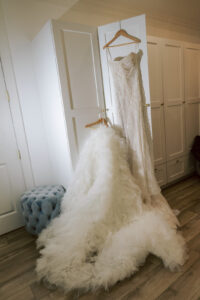
Your dress deserves a place to be displayed before you wear it. A suite with clean walls, architectural character, or a beautiful window offers a natural location for detail photographs of the gown, veil, shoes, heirloom jewelry, and invitation suite.

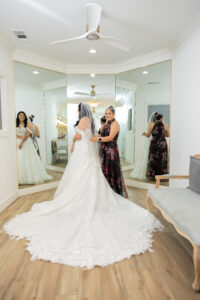
Storage matters here, too. A proper hanger or garment rack protects the gown from wrinkles and keeps it out of high-traffic areas. If your dress has a long train or elaborate veil, ask whether the room has enough clear space for it to be handled and photographed without difficulty.Best Bridal Suite Features for Your Wedding

Design Should Photograph Beautifully Without Feeling Staged

The bridal suite is an extension of the venue’s point of view. At a French-inspired property, one might hope for tailored millwork, classic furnishings, graceful lighting, and architectural details that feel timeless rather than themed. These elements create depth in photographs and allow the room to feel special even before flowers or personal items arrive.

Still, aesthetics should serve comfort. An overly decorated room can compete with your gown, while a suite that is too stark may feel impersonal in photographs. The most versatile spaces balance refined character with visual breathing room. Neutral or softly layered tones tend to work well with a broad range of wedding palettes, from garden-inspired pastels to formal black tie styling.

At CHÂTEAU JOLI, a French-inspired setting allows the wedding morning to feel connected to the larger celebration. The suite should not feel like an afterthought hidden behind the event spaces. It should carry the same sense of timeless grandeur, offering a graceful prelude to the ceremony ahead.

Comfort Is a Form of Luxury

Best Bridal Suite Features for Your WeddingBest Bridal Suite Features for Your Wedding

A wedding morning can run long. Someone will need a touch-up, a button will need attention, and a family member may arrive with an unexpected question. A comfortable bridal suite gives these moments somewhere to land without disrupting the mood.

Think beyond appearances. Is there space for a light breakfast and coffee? Can a close family member sit comfortably while you get ready? Is there a quiet corner where you can read a letter or speak privately with your planner? These are the details that make a suite feel hospitable rather than merely photogenic.

You do not need every possible amenity. A smaller, beautifully designed room with excellent light and privacy may suit an intimate wedding party better than a vast suite with little warmth. The right choice reflects how you want to feel before the ceremony: cared for, composed, and fully present.

When touring venues, stand in the bridal suite for a moment and picture the room filled with the people you love most. If it gives you a sense of calm before a single flower is placed or a single song begins, you have found a setting worthy of your first hours as a bride.

Filed Under: THE VENUE, Tips and Tricks Tagged With: chateau joli wedding, Chateau Joli Wedding Venue, chateau joli weddings, dallas wedding venue, dfw wedding venue, Fort Worth wedding venue, fort worth weddings, texas wedding venues, Wedding planning tips

Wedding Design Trends With Lasting Elegance

October 5, 2026 by admin

Wedding Design Trends With Lasting EleganceWedding Design Trends With Lasting Elegance

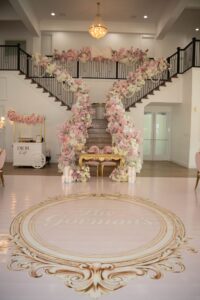
A grand staircase softened by candlelight. A dinner table that feels collected rather than crowded. A ceremony backdrop with enough presence to frame the moment, never compete with it. The most compelling wedding design trends are moving in this direction: expressive, immersive, and deeply personal, with restraint at their center.

For couples planning a refined North Texas celebration, the question is not whether to follow a trend. It is whether that idea will still feel like you when the photographs become part of your family history. The answer often lies in choosing design with atmosphere, texture, and intention over fleeting novelty.

Wedding Design Trends Shifting Toward Permanence

For several seasons, wedding design favored a certain kind of visual abundance: bold color, unexpected materials, and installations made for a dramatic first glance. Those gestures still have a place. Yet the most sophisticated celebrations are now pairing impact with a quieter confidence.

This means architectural flowers rather than flowers everywhere. Layered tablescapes rather than excess place settings. A palette that moves through a room with tonal nuance rather than announcing itself in a single color. The result is editorial, but not overly styled. Guests notice the feeling before they identify the details.

At CHÂTEAU JOLI, a French-inspired setting naturally supports this approach. When the architecture already brings romance and scale, design can become more considered. Couples have the freedom to invest in the details their guests will touch, taste, hear, and remember rather than trying to transform a blank room into something it was never meant to be.

Color Is Becoming More Dimensional

The all-white wedding will always be elegant, but monochrome no longer needs to mean uniform. Cream, ivory, oyster, champagne, and soft stone can create extraordinary depth when they appear in different finishes and materials. Consider matte linen against glowing taper candles, garden roses alongside silk ribbon, or delicate paper goods placed on a textured charger.

Color-forward weddings are also becoming more nuanced. Instead of choosing one bright shade and repeating it throughout the day, couples are working within a family of tones. A palette of oxblood, faded rose, plum, and warm blush feels more cultivated than a single red. Olive, celadon, moss, and pale citron can bring a garden sensibility without becoming overly literal.

The trade-off is that layered color requires editing. A beautiful palette can lose its elegance when every tone appears in every moment. Let one hue lead at the ceremony, another come forward at dinner, and a final accent appear in the stationery, cake, or late-night lounge. A room needs places for the eye to rest.

The Return of Warm Neutrals

Cool gray and stark white are giving way to warmer foundations. Buttercream, caramel, parchment, bronze, and soft mocha photograph beautifully in candlelight and lend a reception a more intimate sense of occasion. These shades are especially fitting for fall and winter weddings, though they can feel equally fresh in spring when balanced with airy florals and natural light.

Warm neutrals are not an instruction to make everything beige. Their value is in creating a gracious backdrop for the elements that matter most: the flowers, the fashion, the faces at the table, and the architecture surrounding them.

Florals Are Taking a Sculptural Turn

Florals remain central to wedding design, but their role is changing. Rather than filling every available surface, designers are using flowers to shape the room. A meadow-like aisle treatment, a gathered floral moment at the base of a statement bar, or a single suspended installation above dinner can create more drama than dozens of smaller arrangements.

This trend is less about minimalism than placement. It asks where flowers can make the strongest emotional impression. Ceremony arrangements can be repurposed to frame the sweetheart table or reception entrance, allowing the design to evolve through the evening while honoring the investment.

Seasonality adds another layer of authenticity. Branching spring blooms, summer garden roses, autumn foliage, and winter evergreen each bring a sense of place. Imported stems may be necessary for a particular vision, but a floral plan rooted in the season often feels more natural and can direct budget toward scale, installation, or exceptional vessels.

Tables Are Designed for Conversation

The reception table is becoming more than a surface for dinner. It is the setting for toasts, lingering conversation, and the photographs guests take without being asked. Current wedding design trends favor tables that feel generous and tactile, yet leave enough space for a meal to be enjoyed.

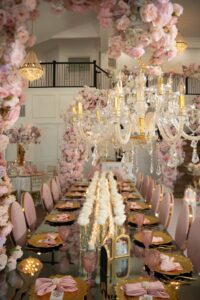
Long, low arrangements continue to be a beautiful choice because they preserve sightlines. Fruit, herbs, hand-torn menus, colored glassware, fine linen, and sculptural candlesticks can give the table richness without making it feel overproduced. A single material repeated with purpose often has more impact than many unrelated decorative elements.

Consider the guest experience before selecting every detail. Tall centerpieces can be striking in a grand room, but they should not prevent conversation. Taper candles create remarkable warmth, but they need careful planning around service, floral mechanics, and venue guidelines. Design is at its best when it makes hospitality feel effortless.

Personalized, Not Branded

Personalization is moving away from monograms placed on every object. Couples are choosing details that reveal something real: a menu inspired by a favorite trip, a welcome drink tied to a first date, handwritten notes at each place setting, or a dance floor song list that tells their story.

These touches feel luxurious because they are specific. They do not need to be loud to be memorable. A wedding should carry the couple’s point of view without turning every moment into a logo opportunity.

Lighting Is the Quiet Luxury Detail

No floral investment can fully overcome flat lighting. As receptions become more immersive, couples are treating light as a foundational design choice rather than a final production add-on. Candlelight remains timeless, while pin spotting, soft washes of color, and carefully placed overhead fixtures can shift the energy of a room from dinner to dancing.

The most elegant lighting plans respect the venue. They illuminate texture, draw attention to the cake or head table, and make guests look beautiful in photographs. Saturated color and animated effects can be thrilling for an after-party, but they may feel disconnected from a romantic ceremony or formal dinner. It depends on the mood you want the evening to hold.

If the budget calls for prioritization, invest in the light guests will experience for the longest portion of the celebration. The reception lasts beyond the ceremony, and its atmosphere will shape much of the guest memory.

Ceremony Design Is Becoming More Intentional

Couples are rethinking the ceremony as the emotional center of the day, not simply the event that happens before cocktail hour. This does not require a larger floral budget or a complicated installation. It requires a clear focal point and an aisle that gives the entrance its due.

A ceremony in an already beautiful setting may need only layered aisle florals, well-considered chairs, and live music to feel complete. For a more dramatic statement, choose one defining gesture: a floral composition with asymmetry, a sculptural fabric treatment, or an architectural arrangement that frames rather than blocks the view.

Avoid selecting a ceremony backdrop solely because it is popular in photographs. Ask what it will feel like from the first row, how it relates to the setting, and whether it will still feel appropriate once the flowers are moved and the vows are over. The most successful designs serve the moment itself.

Fashion and Décor Are Speaking to Each Other

A wedding feels especially polished when attire and environment share a visual language. This does not mean bridesmaids must match the napkins or the groom’s jacket must echo every floral color. It means the silhouettes, textures, and formality of the day feel aligned.

A dramatic silk gown, black-tie tailoring, and pearl details might call for candlelit tables, restrained florals, and classical stationery. A softer garden-inspired wardrobe may welcome painted linens, loose floral movement, and a palette with gentle variation. When fashion and décor are planned in conversation, the imagery becomes more cohesive without appearing coordinated to excess.

Choose the Trends That Support Your Story

The most enduring weddings do not chase every new idea. They identify a few elements that feel unmistakably right, then give those elements room to matter. Perhaps it is a sweeping floral aisle, a dinner under hundreds of candles, an heirloom-inspired cake, or a band that turns the final hour into a true celebration.

Start with the atmosphere you want guests to carry home: formal and luminous, romantic and garden-like, richly layered, or quietly grand. Then let each design decision reinforce that feeling. When the setting, the details, and the hospitality share one point of view, the wedding will feel current now and beautiful for years to come.

Filed Under: REAL WEDDING, THE VENUE, Tips and Tricks Tagged With: chateau joli wedding, Chateau Joli Wedding Venue, chateau joli weddings, dallas wedding venue, dfw wedding venue, Editorial Shoot, Fort Worth wedding venue, fort worth weddings, texas wedding venues, Wedding planning tips

Luxury Venue Booking Process, Beautifully Planned

September 11, 2026 by admin

The setting is not a detail to settle after the dress, the flowers, or the guest list. For a design-forward celebration, it is the decision that gives every other choice its scale, light, and sense of occasion. A thoughtful luxury venue booking process begins with that understanding: you are not simply reserving a date. You are selecting the architecture, atmosphere, and hospitality experience that will hold one of life’s most meaningful gatherings.

For couples planning in Fort Worth and across North Texas, a French-inspired venue can offer the romance of a destination wedding with the ease of a celebration close to home. The key is approaching the booking process with clarity, curiosity, and room for the details that make a wedding feel entirely your own.

Begin With the Feeling You Want to Create

Before requesting availability, define the emotional direction of the day. A venue should support more than a color palette. Consider the arrival experience, the ceremony setting, the transition into cocktail hour, and the impression guests will carry home after the final dance.

Perhaps you picture an intimate garden ceremony followed by candlelit dinner beneath soaring ceilings. Perhaps the vision is formal and architectural, with a grand entrance, black-tie attire, and portraits that feel at home in an editorial. These preferences help distinguish a venue that is merely beautiful from one that genuinely belongs to your celebration.

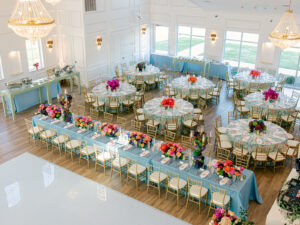
This is also the right moment to be honest about guest count. A room should feel lively and gracious, never compressed or unexpectedly sparse. Ask for clear capacity guidance for your preferred ceremony and reception format, particularly if you are considering a seated dinner, a large dance floor, lounge moments, or a band. Luxury is often felt in the ease of movement as much as the finish of the surroundings.

What to Know Before You Submit an Inquiry

The strongest venue inquiries are specific without being restrictive. Share your desired date or date range, estimated guest count, and the style of event you are planning. If you have flexibility around season or day of the week, mention it. That flexibility may create options that are especially appealing, whether you favor the soft greenery of spring, the golden light of autumn, or the intimacy of a winter celebration.

It is helpful to have a preliminary overall budget, but you do not need every vendor selected before beginning. A venue investment shapes many later decisions, including catering, rentals, florals, transportation, and the amount of design needed to achieve your desired look. A château-inspired setting can reduce the need to build visual impact from scratch, yet a polished celebration still benefits from a realistic allocation for guest comfort and thoughtful production.

When you inquire with CHÂTEAU JOLI, the goal is not to force a quick decision. It is to begin a considered conversation about availability, event flow, and whether the property aligns with the experience you want to host.

Luxury Venue Booking Process, Beautifully Planned

Touring With a Designer’s Eye

A tour is where inspiration meets logistics. The first impression matters, but give yourself time to look beyond the obvious photographable moments. Notice how guests will arrive, where they will gather before the ceremony, and what the property feels like from one space to the next.

Consider the Guest Experience From Arrival to Departure

Imagine the day in sequence. Is there a graceful place for guests to wait before the ceremony? Does the route to cocktail hour feel natural? Can older relatives move comfortably through the property? Where will the wedding party prepare, and are those spaces as beautiful and functional as the rooms your guests will see?

Ask how the venue handles practical concerns such as parking, shuttles, accessibility, weather contingencies, and vendor load-in. These are not unromantic questions. They are the details that protect the calm, elevated experience you are trying to create.

Study Light, Scale, and Existing Character

Visit at a time close to your intended ceremony hour if possible. Natural light changes a room, a portrait location, and the entire visual rhythm of the day. Ask where ceremonies are typically held in different weather conditions and how indoor spaces photograph after dark.

Look carefully at the venue’s permanent features. Architecture, flooring, windows, landscaping, and furnishings each influence your design direction. A timeless French-inspired setting may pair beautifully with sculptural floral installations and tailored linens, but it can also carry a more restrained look with ease. The trade-off is simple: the more distinctive the venue, the more thoughtfully every added design element should be chosen. You want to enhance its character, not compete with it.

The Luxury Venue Booking Process: Questions That Matter

Once a venue feels promising, request the full picture before signing. The goal is not to compare every property line by line as though all experiences are interchangeable. It is to understand the investment, inclusions, responsibilities, and policies well enough to make a confident choice.

Ask what is included with the rental, from tables and chairs to bridal suites, ceremony access, security, or event staff. Confirm the contracted rental window and whether it includes setup, photography, vendor arrival, and breakdown. A seemingly generous event timeline can become tight if these moments fall outside the scheduled access period.

Vendor policies deserve equal attention. Some venues offer a preferred vendor list, while others allow broader flexibility. Neither approach is automatically better. A curated list can bring familiarity with the property and a more coordinated production. Greater flexibility can be valuable when you have a particular planner, caterer, or creative team in mind. What matters is knowing which approach supports your priorities.

Also ask about catering and bar requirements, insurance, noise restrictions, décor guidelines, candle policies, cleanup expectations, and any applicable service fees. A clear proposal should make the financial structure understandable, including the retainer, payment schedule, refundable damage deposit if applicable, and conditions surrounding date changes or cancellation.

Reserve the Date With Confidence

Luxury venues often have limited availability for prime spring and fall weekends, especially in the Dallas-Fort Worth market. Once you have reviewed the contract and feel certain about the fit, delaying solely to keep every option open can mean losing the date that best suits your plans.

Still, confidence should never mean rushing past the contract. Read it carefully and make sure the details discussed during the sales process are reflected in writing. Confirm the exact spaces you will use, the access hours, guest capacity, payment dates, and any obligations that need to be completed before the event. If something is unclear, ask before signing rather than assuming it will be simple to adjust later.

After the agreement is signed and the retainer is received, the venue becomes a foundation rather than an open question. That sense of certainty is valuable. Your planner, photographer, florist, and rental team can begin making recommendations based on a real setting and a fixed date.

Bring the Venue Into Every Planning Decision

The most cohesive weddings allow the setting to inform the entire design. Share venue photographs, floor plans, and access details with your creative partners early. Your florist can assess installation opportunities. Your photographer can plan for portrait light. Your caterer can shape service around the room’s flow and your guest count.

This does not require matching every detail to the venue. In fact, the most memorable celebrations often combine the property’s established character with personal elements that feel unexpected. A modern gown can be striking against old-world architecture. Minimal stationery can give a grand room a fresh point of view. The right choice depends on whether contrast feels intentional and whether it still honors the atmosphere you chose in the first place.

As the wedding approaches, revisit the event timeline with the venue and planning team. Confirm deliveries, vendor contacts, ceremony plans, rain options, and end-of-night responsibilities. A final walkthrough can be especially useful for visualizing furniture placement, bar service, guest circulation, and any meaningful family traditions you want to incorporate.

The right venue does more than provide a backdrop for beautiful photographs. It gives your celebration a sense of place from the first arrival to the last farewell. Choose the property that lets you feel present in the room, assured that every detail has somewhere beautiful to belong.

Filed Under: THE VENUE, Tips and Tricks Tagged With: chateau joli wedding, Chateau Joli Wedding Venue, chateau joli weddings, dallas wedding venue, dfw wedding venue, Fort Worth wedding venue, fort worth weddings, texas wedding venues, Wedding planning tips

How Far Ahead Should You Book a Wedding Venue?

September 5, 2026 by admin

A wedding date can feel like the first decision, but for a design-led celebration, the venue is often the decision that gives every other choice its shape. When couples ask how far ahead to book a wedding venue, the most useful answer is this: begin your search 14 to 18 months before your preferred date, and be prepared to reserve sooner for a sought-after Saturday or a prime North Texas season.

How Far Ahead Should You Book a Wedding Venue?

That timing is not about creating pressure for its own sake. It is about preserving choice. The setting influences your ceremony hour, guest count, floral direction, catering flow, photography plan, and the overall feeling guests carry home. A French-inspired estate, for example, brings its own sense of proportion, romance, and occasion. Once it is secured, planning becomes more focused.

How Far Ahead to Book a Wedding Venue in North Texas

For most couples planning a refined wedding in the Fort Worth and Dallas-Fort Worth area, 12 to 18 months is a thoughtful booking window. It offers access to more dates, more time to assemble an exceptional vendor team, and room to make decisions with intention rather than urgency.

If your heart is set on a Saturday between March and May or October and November, 18 to 24 months ahead is often the wiser approach. These months are especially desirable in North Texas, where milder temperatures and softer seasonal light suit outdoor portraits, garden ceremonies, and long cocktail hours. Premium venues can reserve their most requested weekends well in advance.

A 9 to 12-month timeline can still be entirely workable, particularly if you are open to a Friday, Sunday, or a date outside the peak spring and fall seasons. Winter celebrations can feel especially luminous in an architectural venue, while summer may offer more availability for couples willing to plan around the Texas heat with an evening ceremony and a gracious indoor reception.

With fewer than six months to plan, the right venue may still be available, but flexibility becomes essential. You may need to reconsider the day of the week, season, guest count, or preferred vendor list. This is not necessarily a compromise in beauty. It simply calls for clear priorities from the beginning.

Why the Venue Should Come Before Most Other Decisions

How Far Ahead Should You Book a Wedding Venue?How Far Ahead Should You Book a Wedding Venue?How Far Ahead Should You Book a Wedding Venue?How Far Ahead Should You Book a Wedding Venue?

A beautiful venue does more than provide a location. It sets the visual language for the day. Couples drawn to timeless grandeur often choose their fashion, stationery, florals, linens, and entertainment in conversation with the architecture and atmosphere around them.

Booking your venue first also allows you to approach other vendors with a confirmed date and a complete picture of the event. Your planner can recommend designs that belong in the space. Your photographer can consider light, portrait locations, and the pace of the day. Your floral designer can work with the venue’s scale rather than trying to transform an unrelated room into something it was never meant to be.

This matters for the budget as well. A setting with distinctive interiors, elegant grounds, and a ceremony-to-reception flow that feels naturally considered may reduce the need for excess decor. The goal is not to add less care. It is to invest where guests will feel the difference: exceptional flowers, beautiful table settings, a memorable meal, or a band that brings the evening to life.

The Booking Timeline That Protects Your Options

The earliest stage of planning should be about defining your non-negotiables. Before touring, decide which matters most: a certain season, a Saturday date, a particular guest count, proximity to Fort Worth, or an aesthetic that feels unmistakably yours. Most couples have one or two true priorities, even when everything feels important at once.

At 18 to 24 months out, begin venue research and schedule tours as soon as your preferred dates are taking shape. This is the ideal window for couples hoping to host a peak-season Saturday, accommodate a larger guest list, or build their weekend around highly requested creative partners.

At 12 to 18 months, reserve the venue and begin conversations with your planner, photographer, and caterer if they are not included with your venue selection. The strongest vendors often book on a similar schedule, especially for fall and spring weekends. A confirmed venue date lets you move forward with confidence rather than sending tentative inquiries for several possible days.

At 9 to 12 months, you can still create an extraordinary wedding, but it helps to act decisively after each tour. Ask about available dates, rental hours, capacity, rain plans, vendor policies, and what is included. A venue that feels right should also support the way you want the day to unfold.

Dates That Usually Require Earlier Planning

Not every wedding date carries the same level of demand. A Saturday in April is a different marketplace than a Friday in January. If flexibility is part of your vision, it can open the door to a more relaxed planning experience and, occasionally, a date that feels even more personal.

Consider booking earlier if you are planning around one of these circumstances:

  • A Saturday wedding during spring or fall in North Texas
  • A holiday weekend or a date with personal significance
  • A guest list that calls for a larger capacity
  • A ceremony that relies on an outdoor setting or ideal seasonal weather
  • A wedding built around a specific photographer, planner, or entertainment team

There are also practical considerations beyond the calendar. Couples planning a destination-inspired celebration close to home may be searching for a venue with an established identity rather than a blank slate. Those properties are not interchangeable. If the architecture, grounds, and interiors are central to your vision, waiting too long can mean losing the setting that made the entire concept feel possible.

What to Ask Before You Reserve

A venue tour should leave you with more than beautiful photographs. It should answer whether the property can hold your guest experience with ease. Notice how guests would arrive, where they would gather before the ceremony, and whether the transition into cocktail hour and dinner feels natural. Think beyond the ceremony backdrop to the full arc of the celebration.

Ask about the contracted rental period, setup and breakdown access, parking, dressing suites, catering requirements, and weather contingencies. Review capacity with your realistic guest count, not only the number you hope to invite. If you envision a formal seated dinner, generous dance floor, and a lively evening reception, the room should feel elegant at that scale.

It is also wise to understand what the venue provides and where you will want to add your own signature. Some couples value a setting that already feels complete, while others want more freedom to layer in elaborate installations. Neither approach is better, but the venue and the design ambition should be aligned from the start.

If Your Ideal Date Is Already Taken

A full calendar does not mean the end of the vision. Ask whether there are nearby Fridays, Sundays, or alternative weekends that offer the same season and atmosphere. A Friday evening wedding can feel wonderfully intimate and celebratory, while a Sunday gathering lends itself to a lingering garden luncheon or candlelit dinner.

You can also look at adjacent seasons. Early December has a formal, festive quality. Late February can be unexpectedly romantic. A summer wedding, designed with a later ceremony time and an emphasis on cool interiors, sparkling cocktails, and abundant florals, can feel sumptuous rather than restrictive.

The date should serve the celebration, not overshadow it. If you find a venue that immediately feels like the setting for your story, an alternate date may be a small adjustment for a far more lasting result.

At CHÂTEAU JOLI, the most memorable weddings begin with a sense of place. Start your venue search early enough to choose the date, atmosphere, and experience that feel entirely your own – then let the rest of the celebration unfold with grace.

Filed Under: THE VENUE, Tips and Tricks Tagged With: chateau joli wedding, Chateau Joli Wedding Venue, chateau joli weddings, dallas wedding venue, dfw wedding venue, Fort Worth wedding venue, fort worth weddings, texas wedding venues, Wedding planning tips

  • Go to page 1
  • Go to page 2
  • Go to page 3
  • Go to Next Page »
  • FACEBOOK
  • INSTAGRAM

Copyright © 2026 · CHÂTEAU JOLI