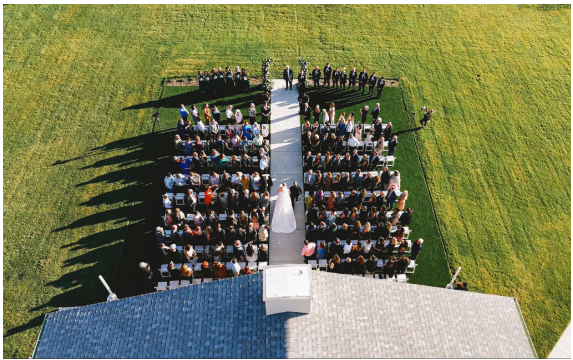
A venue capacity number can look wonderfully simple on a venue brochure. Yet the difference between a room that holds 200 guests and a celebration that feels gracious at 200 guests is where the real planning begins. For a wedding defined by timeless grandeur, capacity is not merely a maximum. It is the framework for how every guest experiences the day.
The right guest count allows room for an unhurried arrival, a beautiful ceremony processional, a well-proportioned dinner, and a dance floor that feels alive without overtaking the room. It gives your florist, planner, caterer, and photographer the space to create with intention. Most of all, it protects the feeling you want guests to carry with them long after the final toast.
What Venue Capacity Really Means
Venue capacity is the largest number of people a space can safely accommodate under a particular setup. That number is often determined by local occupancy guidelines, fire code, exits, and the physical layout of the property. It is an essential figure, but it should be the beginning of the conversation rather than the final answer.
A ceremony-only arrangement can accommodate guests differently than a seated dinner. A reception with a generous dance floor, live band, sweetheart table, statement bar, lounge seating, and a full service team requires more room than a straightforward cocktail-style gathering. The guest count that works for one vision may feel crowded for another.
When comparing venues, ask for capacities by event format. Request the seated dinner capacity, ceremony capacity, cocktail reception capacity, and a sample floor plan for your anticipated number of guests. This gives you a clearer picture than a single headline number ever can.
A thoughtful venue team will also discuss how the rooms transition throughout the day. If a ceremony and reception use the same area, there may be a reset period to consider. If your event includes separate spaces, think about how guests will move between them, especially during cocktail hour. Ease of movement is a quiet but powerful part of a polished guest experience.
Choosing a Guest Count That Feels Intentional
Your guest list should not be built around a maximum capacity simply because that number is available. Instead, begin with the people you genuinely want surrounding you. Then consider the celebration you hope to host.
An intimate wedding of 75 can feel expansive in a setting with layered architecture, candlelight, and a carefully designed tablescape. A reception of 200 can still feel personal when the floor plan creates distinct moments for dining, conversation, and dancing. Neither is inherently more luxurious. The distinction lies in proportion.
For many couples, the most useful question is not, “How many guests can the venue hold?” It is, “How do we want the evening to feel?” A formal multicourse dinner calls for room between tables and attentive service lanes. A high-energy dance party benefits from a dance floor that is substantial enough to invite participation. A gathering centered on family conversation may call for lounge groupings and a quieter cocktail setting.
It also helps to separate your preliminary guest list into three groups: essential guests, hoped-for guests, and those you would invite if space allowed. This keeps early planning practical without making the invitation process feel impersonal. As RSVPs arrive, you can make decisions from a place of clarity rather than last-minute pressure.
Why a Little Breathing Room Matters
A full room can be festive. An overcrowded room can distract from everything you have so carefully chosen.
At dinner, guests need enough space to sit comfortably, move to and from their tables, and be served without interruption. Your catering team needs clear paths to deliver plates and refresh beverages. Your photographer needs sightlines for toasts, first dances, and the small exchanges happening between loved ones. When these practical needs are honored, the event appears effortless.
Breathing room also allows your design to be seen. A château-inspired celebration is often built on visual composition: sculptural florals, candlelit tables, tailored linens, architectural ceremony moments, and a sense of arrival. If tables are pressed too closely together, even the most beautiful details can lose their impact.
This does not mean a venue should feel sparse. It means each element should have a purpose and a place. A skilled planner can use an intentional floor plan to create warmth at a lower guest count, perhaps with long banquet tables, a centralized dance floor, or lounge vignettes that make the room feel inviting. At a larger count, they can preserve elegance through well-spaced tables, defined service areas, and decor that draws the eye upward and outward.
Consider the Entire Event, Not Just Dinner
Your final capacity needs may change as you map the complete wedding day. Ceremony seating is one consideration, but the guest experience begins before guests take their seats and continues after dinner has ended.
Think about the arrival experience. Will guests gather in a welcome area before the ceremony? Are you planning valet, a champagne greeting, or a signature escort-card display? These moments need their own space so the entrance feels composed rather than congested.
Cocktail hour deserves equal attention. Guests should be able to circulate with a drink in hand while enjoying passed hors d’oeuvres, a bar, and perhaps a live musician or small gathering area. If most guests remain in one compact space, the atmosphere can become crowded quickly, particularly during warmer North Texas months when comfort matters even more.
Then consider your reception priorities. A live band typically calls for a larger footprint than a DJ, while a grand cake display, late-night food station, photo booth, or champagne tower may require a dedicated location. None of these choices is wrong. They simply affect the amount of usable space and the number of guests that will feel most comfortable.
At CHÂTEAU JOLI, couples often find that the venue itself becomes part of the design language. That is a meaningful advantage, but it also invites thoughtful restraint. When the surroundings already offer French-inspired character and visual presence, you can focus your investment on hospitality and carefully chosen details rather than filling every open area.
Questions to Ask Before You Book
Capacity discussions are most helpful when they are specific. Bring your estimated guest count, preferred ceremony style, and reception priorities to your venue tour. Then ask how the space performs at your number, not just at its maximum.
You may want to know whether the quoted capacity includes the wedding party, children, vendors, and entertainers. Ask where your band or DJ will be positioned, whether a dance floor is included in the layout, and how many guests can be seated with your preferred table shape. Round tables, rectangular tables, and long banquet configurations create very different room dynamics.
It is also wise to ask about weather plans for any outdoor element. An elegant garden ceremony is a beautiful choice, but the indoor alternative should feel equally considered. Confirm that a rain plan can accommodate your full guest count without compromising dinner seating or the flow of the evening.
Finally, ask to see photographs or floor plans from events close to your anticipated size. A room is experienced through scale, and real examples can help you imagine the difference between a gathering that is technically possible and one that feels perfectly at home.
Let the Room Serve the Celebration
Capacity planning involves a few practical constraints, but it is ultimately an act of hospitality. Your wedding should make guests feel welcomed, comfortable, and included in something exceptional. That feeling rarely comes from choosing the largest number a room permits.
Choose the count that gives your celebration its proper rhythm: enough guests for joyful energy, enough space for gracious service, and enough visual calm for every meaningful detail to be noticed. When the room and the guest list are in harmony, the evening has the rare quality every couple hopes for – beautiful, personal, and entirely at ease.