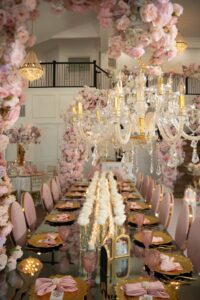
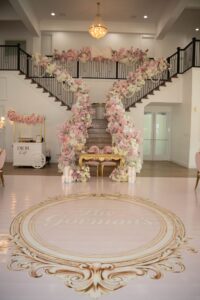
A grand staircase softened by candlelight. A dinner table that feels collected rather than crowded. A ceremony backdrop with enough presence to frame the moment, never compete with it. The most compelling wedding design trends are moving in this direction: expressive, immersive, and deeply personal, with restraint at their center.
For couples planning a refined North Texas celebration, the question is not whether to follow a trend. It is whether that idea will still feel like you when the photographs become part of your family history. The answer often lies in choosing design with atmosphere, texture, and intention over fleeting novelty.
Wedding Design Trends Shifting Toward Permanence
For several seasons, wedding design favored a certain kind of visual abundance: bold color, unexpected materials, and installations made for a dramatic first glance. Those gestures still have a place. Yet the most sophisticated celebrations are now pairing impact with a quieter confidence.
This means architectural flowers rather than flowers everywhere. Layered tablescapes rather than excess place settings. A palette that moves through a room with tonal nuance rather than announcing itself in a single color. The result is editorial, but not overly styled. Guests notice the feeling before they identify the details.
At CHÂTEAU JOLI, a French-inspired setting naturally supports this approach. When the architecture already brings romance and scale, design can become more considered. Couples have the freedom to invest in the details their guests will touch, taste, hear, and remember rather than trying to transform a blank room into something it was never meant to be.
Color Is Becoming More Dimensional
The all-white wedding will always be elegant, but monochrome no longer needs to mean uniform. Cream, ivory, oyster, champagne, and soft stone can create extraordinary depth when they appear in different finishes and materials. Consider matte linen against glowing taper candles, garden roses alongside silk ribbon, or delicate paper goods placed on a textured charger.
Color-forward weddings are also becoming more nuanced. Instead of choosing one bright shade and repeating it throughout the day, couples are working within a family of tones. A palette of oxblood, faded rose, plum, and warm blush feels more cultivated than a single red. Olive, celadon, moss, and pale citron can bring a garden sensibility without becoming overly literal.
The trade-off is that layered color requires editing. A beautiful palette can lose its elegance when every tone appears in every moment. Let one hue lead at the ceremony, another come forward at dinner, and a final accent appear in the stationery, cake, or late-night lounge. A room needs places for the eye to rest.
The Return of Warm Neutrals
Cool gray and stark white are giving way to warmer foundations. Buttercream, caramel, parchment, bronze, and soft mocha photograph beautifully in candlelight and lend a reception a more intimate sense of occasion. These shades are especially fitting for fall and winter weddings, though they can feel equally fresh in spring when balanced with airy florals and natural light.
Warm neutrals are not an instruction to make everything beige. Their value is in creating a gracious backdrop for the elements that matter most: the flowers, the fashion, the faces at the table, and the architecture surrounding them.
Florals Are Taking a Sculptural Turn
Florals remain central to wedding design, but their role is changing. Rather than filling every available surface, designers are using flowers to shape the room. A meadow-like aisle treatment, a gathered floral moment at the base of a statement bar, or a single suspended installation above dinner can create more drama than dozens of smaller arrangements.
This trend is less about minimalism than placement. It asks where flowers can make the strongest emotional impression. Ceremony arrangements can be repurposed to frame the sweetheart table or reception entrance, allowing the design to evolve through the evening while honoring the investment.
Seasonality adds another layer of authenticity. Branching spring blooms, summer garden roses, autumn foliage, and winter evergreen each bring a sense of place. Imported stems may be necessary for a particular vision, but a floral plan rooted in the season often feels more natural and can direct budget toward scale, installation, or exceptional vessels.
Tables Are Designed for Conversation
The reception table is becoming more than a surface for dinner. It is the setting for toasts, lingering conversation, and the photographs guests take without being asked. Current wedding design trends favor tables that feel generous and tactile, yet leave enough space for a meal to be enjoyed.
Long, low arrangements continue to be a beautiful choice because they preserve sightlines. Fruit, herbs, hand-torn menus, colored glassware, fine linen, and sculptural candlesticks can give the table richness without making it feel overproduced. A single material repeated with purpose often has more impact than many unrelated decorative elements.
Consider the guest experience before selecting every detail. Tall centerpieces can be striking in a grand room, but they should not prevent conversation. Taper candles create remarkable warmth, but they need careful planning around service, floral mechanics, and venue guidelines. Design is at its best when it makes hospitality feel effortless.
Personalized, Not Branded
Personalization is moving away from monograms placed on every object. Couples are choosing details that reveal something real: a menu inspired by a favorite trip, a welcome drink tied to a first date, handwritten notes at each place setting, or a dance floor song list that tells their story.
These touches feel luxurious because they are specific. They do not need to be loud to be memorable. A wedding should carry the couple’s point of view without turning every moment into a logo opportunity.
Lighting Is the Quiet Luxury Detail
No floral investment can fully overcome flat lighting. As receptions become more immersive, couples are treating light as a foundational design choice rather than a final production add-on. Candlelight remains timeless, while pin spotting, soft washes of color, and carefully placed overhead fixtures can shift the energy of a room from dinner to dancing.
The most elegant lighting plans respect the venue. They illuminate texture, draw attention to the cake or head table, and make guests look beautiful in photographs. Saturated color and animated effects can be thrilling for an after-party, but they may feel disconnected from a romantic ceremony or formal dinner. It depends on the mood you want the evening to hold.
If the budget calls for prioritization, invest in the light guests will experience for the longest portion of the celebration. The reception lasts beyond the ceremony, and its atmosphere will shape much of the guest memory.
Ceremony Design Is Becoming More Intentional
Couples are rethinking the ceremony as the emotional center of the day, not simply the event that happens before cocktail hour. This does not require a larger floral budget or a complicated installation. It requires a clear focal point and an aisle that gives the entrance its due.
A ceremony in an already beautiful setting may need only layered aisle florals, well-considered chairs, and live music to feel complete. For a more dramatic statement, choose one defining gesture: a floral composition with asymmetry, a sculptural fabric treatment, or an architectural arrangement that frames rather than blocks the view.
Avoid selecting a ceremony backdrop solely because it is popular in photographs. Ask what it will feel like from the first row, how it relates to the setting, and whether it will still feel appropriate once the flowers are moved and the vows are over. The most successful designs serve the moment itself.
Fashion and Décor Are Speaking to Each Other
A wedding feels especially polished when attire and environment share a visual language. This does not mean bridesmaids must match the napkins or the groom’s jacket must echo every floral color. It means the silhouettes, textures, and formality of the day feel aligned.
A dramatic silk gown, black-tie tailoring, and pearl details might call for candlelit tables, restrained florals, and classical stationery. A softer garden-inspired wardrobe may welcome painted linens, loose floral movement, and a palette with gentle variation. When fashion and décor are planned in conversation, the imagery becomes more cohesive without appearing coordinated to excess.
Choose the Trends That Support Your Story
The most enduring weddings do not chase every new idea. They identify a few elements that feel unmistakably right, then give those elements room to matter. Perhaps it is a sweeping floral aisle, a dinner under hundreds of candles, an heirloom-inspired cake, or a band that turns the final hour into a true celebration.
Start with the atmosphere you want guests to carry home: formal and luminous, romantic and garden-like, richly layered, or quietly grand. Then let each design decision reinforce that feeling. When the setting, the details, and the hospitality share one point of view, the wedding will feel current now and beautiful for years to come.